
Discovering the Culinary Treasures of Morocco
Morocco is a land steeped in history, culture, and a vibrant culinary scene that reflects its diverse influences. From the bustling souks of Marrakech to the tranquil coasts of Essaouira, the flavors of Moroccan cuisine tell a story rich in tradition and innovation. This culinary heritage stems from a unique blend of Berber, Arabic, and Mediterranean influences, resulting in a tantalizing array of dishes that are as much about sharing and community as they are about flavor.
Understanding what to eat in Morocco is not just about satisfying hunger; it’s an immersive experience that connects you to the heart and soul of the country. Each dish is a reflection of regional ingredients, local customs, and the warmth of Moroccan hospitality. Whether it’s the fragrant spices of a tagine or the sweet allure of traditional pastries, these foods invite travelers to engage with the local culture on a deeper level. They are a gateway to understanding the people, their traditions, and the stories that have woven the fabric of Moroccan life.
For any traveler, tasting the authentic flavors of Morocco is essential. It opens your palate to new experiences and brings the sights and sounds of the country to life. As you navigate the vibrant food markets and charming eateries, each bite creates a lasting memory, turning your culinary journey into a celebration of Moroccan identity. This exploration is not just about food; it’s about forging connections, sharing moments, and embracing the rich tapestry of life in Morocco.
Understanding the Essence of Moroccan Cuisine
Moroccan cuisine is a vibrant tapestry woven from diverse cultural influences, including Berber, Arab, and Mediterranean traditions. To truly appreciate what to eat in Morocco, one must first understand the foundational elements that define its culinary landscape.
At its core, Moroccan cooking revolves around the harmonious balance of spices, textures, and flavors. Ingredients like saffron, cumin, coriander, and cinnamon are staples, each bringing its unique character to dishes. This intricate use of spices is not just for flavor; it reflects the region's history, trade, and agricultural practices.
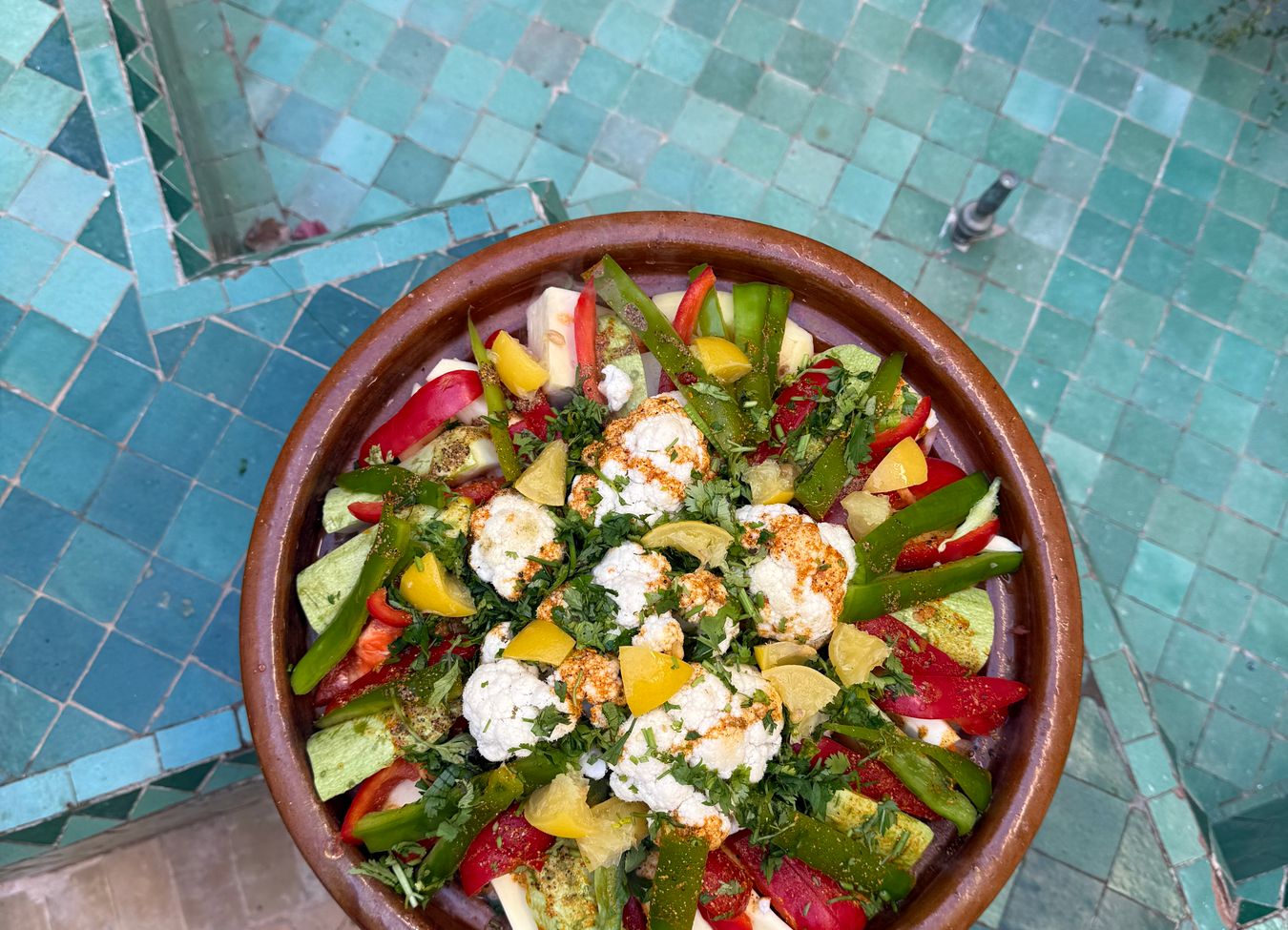
Moreover, the communal aspect of dining is central to Moroccan food culture. Meals are often enjoyed in a shared setting, where diners partake from a large dish, fostering a sense of community. This tradition emphasizes the importance of togetherness, which is a vital aspect of Moroccan hospitality.
Key Components of Moroccan Dishes
- Couscous: A staple grain often served with vegetables and meat.
- Tagine: A slow-cooked stew named after the earthenware pot it's cooked in.
- Harira: A traditional soup made with lentils, chickpeas, and tomatoes.
In exploring Moroccan cuisine, it's essential to embrace both the iconic dishes and the underlying philosophies that shape them. This understanding will enhance your culinary journey, making each bite a more meaningful experience.
Understanding the Importance of Moroccan Cuisine
Moroccan cuisine is a rich tapestry of flavors, techniques, and traditions that reflects the country’s diverse history and cultural influences. From Berber to Arab, and Mediterranean to African, each element contributes to a unique culinary identity. Understanding this context is crucial for travelers who wish to fully appreciate the dishes they encounter.
Cultural Significance of Ingredients
In Moroccan cooking, key ingredients are not just components of a meal but carry cultural significance. Spices like saffron, cumin, and cinnamon are staples, each chosen not merely for flavor but also for their health benefits and spiritual connotations. For instance, cumin is often used to symbolize protection against evil.
The Art of Meal Preparation
Moroccan meals are often communal, emphasizing family and friendship. The preparation of a dish like tagine can take hours, reflecting a tradition of patience and care in cooking. This time investment enhances not just the flavor but also the social experience of dining together.
When dining in Morocco, embrace the local customs—eat with your right hand and share dishes to enhance your experience.
Regional Variations
Moroccan food varies significantly from region to region. For example, coastal areas may focus on seafood, while the mountainous regions emphasize hearty stews. Understanding these differences allows travelers to seek out authentic dishes representative of the area they are visiting.
Common Missteps When Exploring Moroccan Cuisine
When delving into the rich tapestry of Moroccan cuisine, it's easy for travelers and food enthusiasts to fall into several common traps. Understanding these pitfalls can elevate your culinary experience and ensure you're savoring the authentic flavors of Morocco.
Underestimating Spices
One major misconception is the belief that Moroccan dishes are overly spicy. In reality, Moroccan cuisine relies on a complex blend of spices like cumin, coriander, and cinnamon, which enhance flavor without overwhelming the palate. Avoid assuming a dish will be fiery; instead, appreciate the delicate balance of flavors.
Ignoring Regional Variations
Another common mistake is treating Moroccan food as a monolith. Each region boasts its unique specialties, from the seafood of Essaouira to the tagines of Marrakech. Failing to explore these regional differences can lead to a limited experience. Be adventurous and seek out local specialties wherever you travel.
Misinterpreting 'Couscous'
Many travelers mistakenly believe that couscous is merely a side dish. In Morocco, it is often the centerpiece of a meal, traditionally served on Fridays and accompanied by stews. When enjoying couscous, indulge in the full experience, complete with rich sauces and vegetables.
Overlooking the Importance of Presentation
Finally, failing to appreciate the artistry of presentation can diminish your enjoyment. Moroccan meals are often served in beautifully crafted tagines and colorful plates. Taking a moment to admire the presentation adds to the overall experience and respect for the culinary culture.
Understanding these common pitfalls can elevate your culinary experience and ensure you're savoring the authentic flavors of Morocco.
Exploring Iconic Moroccan Dishes
Culinary Highlights
Moroccan cuisine is a vibrant tapestry of flavors and traditions, and certain dishes exemplify its richness. For instance, **Tagine** is perhaps the most recognized Moroccan dish, characterized by its slow-cooked meats, vegetables, and aromatic spices, all simmered in a conical earthenware pot. A classic example is **Chicken Tagine with Preserved Lemons and Olives**, which showcases the balance of savory and tangy notes.
Street Food Experiences
When wandering through the bustling streets of Marrakech, indulging in **Harira**, a traditional soup made of tomatoes, lentils, and spices, is a must, especially during Ramadan. It’s often paired with **Dates** or **Chebakia**, a sesame cookie coated in honey. This combination not only satiates hunger but also provides insights into local customs.
Case Study: A Culinary Journey
Consider a traveler named Sarah who embarked on a culinary tour in Morocco. Her itinerary included a cooking class in Fez where she learned to prepare **Couscous**, a staple dish often served on Fridays, traditionally topped with a medley of vegetables and meats. This immersive experience deepened her appreciation for the cultural significance of the dish.
Desserts and Sweets
No visit to Morocco would be complete without sampling **Baklava** and **M'hanncha**, a fragrant almond pastry shaped like a snake. These treats are often enjoyed with **Mint Tea**, symbolizing hospitality. Each bite tells a story of Moroccan heritage, inviting travelers to savor the past through flavors.
Elevating Your Moroccan Culinary Experience
As you delve deeper into Moroccan cuisine, it’s essential to consider advanced techniques and ingredients that can elevate your culinary creations. Understanding the nuances behind Moroccan spices and cooking methods will not only enhance the flavors of your dishes but also give you a deeper appreciation for this rich culinary tradition.
Mastering Spice Blends
Moroccan cuisine is renowned for its complex spice blends, notably *ras el hanout*. This blend can contain up to 30 different spices, and mastering it involves understanding the balance of flavors. To create your unique blend, consider experimenting with ingredients like cumin, coriander, cinnamon, and dried rose petals. Each spice contributes a unique character, allowing you to adjust the blend according to personal taste.
Techniques to Perfecting Dishes
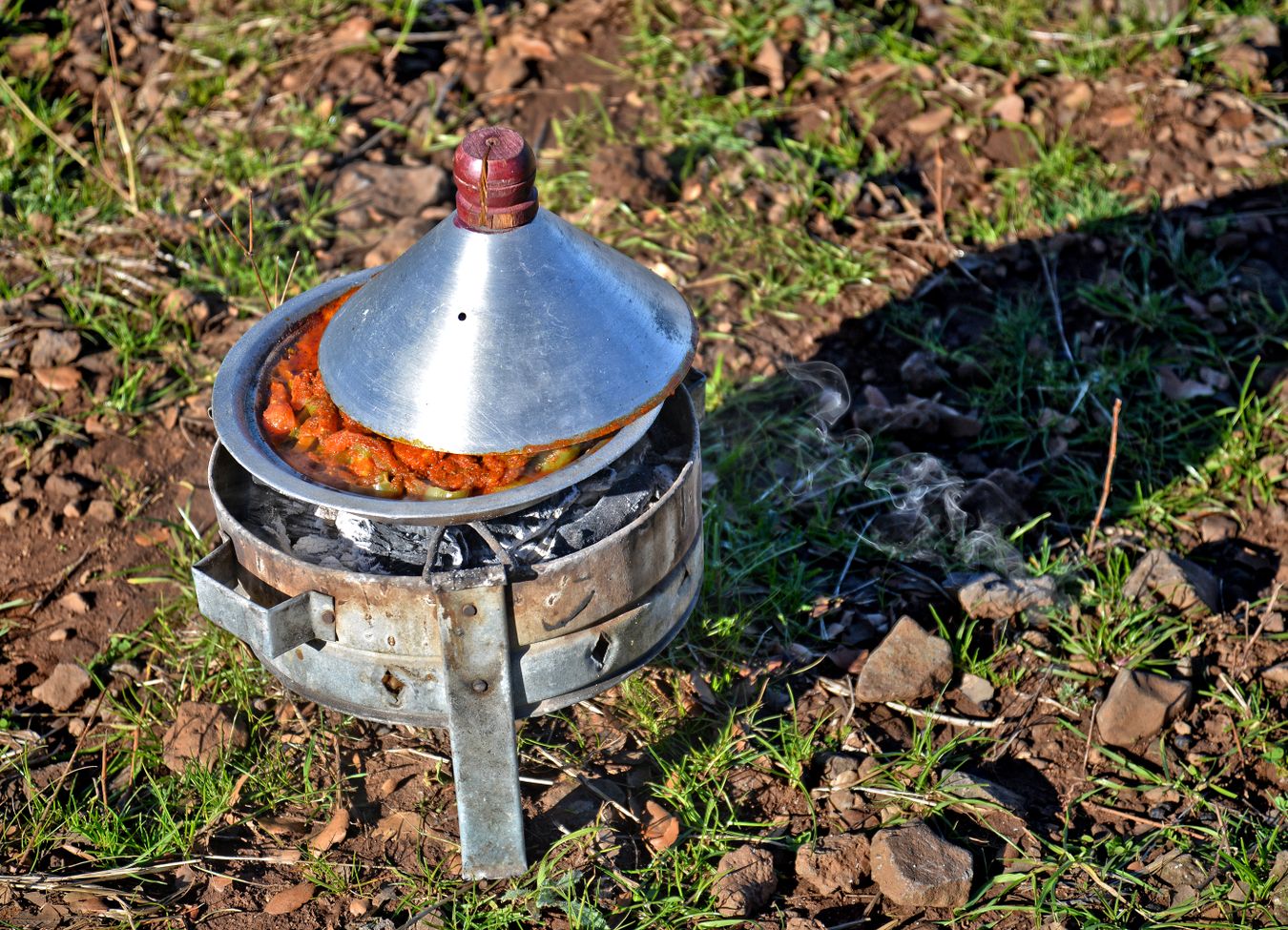
In addition to spices, the techniques used in Moroccan cooking are crucial. For instance, the art of slow-cooking in a *tagine* not only enriches flavors but also tenderizes ingredients. When cooking meat, using a low heat for an extended period allows spices to penetrate deeply, creating a harmonious blend of flavors. Furthermore, incorporating fresh herbs like cilantro and mint at the end of cooking can elevate dishes and add a burst of freshness.
Ingredient Selection
Selecting high-quality ingredients is paramount in Moroccan cooking. Opt for fresh, locally sourced produce and authentic Moroccan pantry staples, such as preserved lemons and olives. These ingredients not only enhance the authenticity of your dishes but also support local artisans and farmers.
Understanding the nuances of spices and techniques will transform your Moroccan cooking experience.— Culinary Expert
Embrace the Flavors of Morocco
As we conclude our culinary journey through Morocco, it's essential to recognize that the heart of Moroccan cuisine lies in its rich tapestry of flavors, ingredients, and traditions. Each dish serves not just as food, but as a gateway to understanding the culture and heritage of this vibrant nation. From the aromatic spices of tagines to the sweet delight of pastilla, every bite offers a story, a memory, and a taste of the land's history.
Moreover, Moroccan cuisine is a celebration of communal dining, where meals are often shared with family and friends. This aspect of dining fosters connections and creates an inviting atmosphere, making the experience of eating in Morocco truly unique. By diving into these dishes, travelers can engage with the local culture, participate in the culinary arts, and savor the essence of Morocco.
Explore Moroccan cuisine and ignite your culinary passion.
We encourage you to explore these 15 must-try Moroccan foods, whether you're planning a trip to Morocco or looking to recreate these authentic flavors in your kitchen. There’s no better way to appreciate this extraordinary cuisine than to experience it firsthand. So, gather your ingredients, invite some friends, and embark on your own Moroccan cooking adventure.