
Embracing the Essence of Moroccan Culinary Creativity
Moroccan cuisine is not merely about food; it is a vibrant tapestry woven from centuries of history, culture, and tradition. Each dish tells a story, reflecting the diverse influences that have shaped this North African nation. From the complex spice blends to the artful presentation, Moroccan cooking embodies a unique creativity that captivates the senses and invites exploration.
Understanding the seasonal nature of Moroccan dishes is crucial for food enthusiasts seeking to immerse themselves in this culinary art. Each season brings its own bounty of fresh ingredients, inspiring local chefs and home cooks alike to innovate and create. This connection to the land not only enhances the flavors of the dishes but also celebrates the rhythm of life in Morocco.
Moroccan cooking is a celebration of the land, its seasons, and its people.— Bazooka Moroccan Kitchen
From the zesty salads of spring to the hearty tagines of winter, the ability to adapt recipes according to seasonal produce exemplifies Moroccan creativity. By understanding this dynamic aspect of their culinary culture, you can enhance your cooking repertoire and gain a deeper appreciation for the flavors that define Morocco.
Understanding the Essence of Moroccan Seasonal Cuisine
To truly embrace Moroccan culinary creativity, one must first appreciate the significance of seasonal ingredients in traditional dishes. Moroccan cuisine is deeply rooted in the rhythm of the seasons, with each month bringing its own unique flavors and ingredients. This seasonal approach not only enhances the taste of dishes but also reflects the cultural and agricultural diversity of the region.
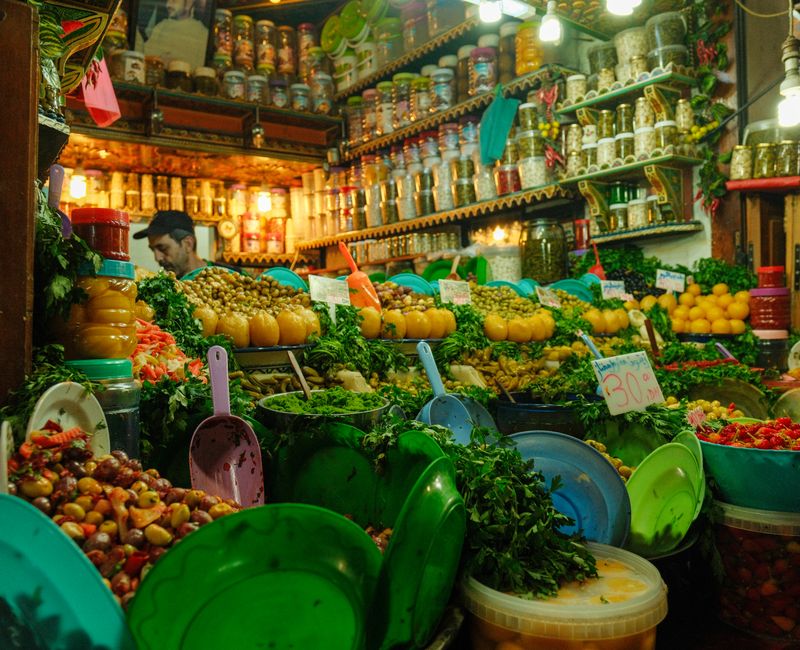
Moroccan chefs have mastered the art of utilizing fresh, locally-sourced produce to create meals that are celebratory and reflective of the land. For instance, in spring, you'll find an abundance of fresh herbs, green vegetables, and citrus, while autumn showcases hearty root vegetables and rich spices. This connection to the land allows cooks to craft dishes that are not only delicious but also tell a story of the time and place.
Key Ingredients by Season
- Spring: Asparagus, peas, artichokes
- Summer: Tomatoes, peppers, eggplants
- Autumn: Pumpkins, sweet potatoes, figs
- Winter: Root vegetables, citrus fruits, nuts
Celebrating Moroccan creativity through seasonal dishes means experimenting with these ingredients in various preparations. From tagines and salads to pastries and stews, each dish offers an opportunity to combine flavors that reflect the essence of Moroccan culture.
Seasonal ingredients are the backbone of Moroccan culinary creativity.— Culinary Expert
Embracing Seasonal Ingredients in Moroccan Cuisine
In Moroccan cooking, seasonal ingredients are not just a preference; they are a celebration of the land's diverse bounty. Understanding how to incorporate these fresh, vibrant elements into your dishes can elevate your culinary experience and honor the Moroccan tradition. For instance, spring heralds the arrival of tender vegetables like artichokes, peas, and fava beans. These can be featured in dishes such as a refreshing *Salade Méchouia*, where the vegetables are grilled and tossed with olive oil and spices.
Celebrating Summer Flavors
As summer rolls in, fruits such as apricots, cherries, and melons come into play. A traditional Moroccan dessert, *Fruits Secs*, showcases these seasonal fruits paired with nuts and honey, creating a delightful end to any meal. Additionally, the use of fresh herbs like mint and basil in summer dishes, such as *Tajine de Poulet aux Abricots*, not only enhances flavor but also reflects Morocco's vibrant culinary culture.
Experimenting with seasonal ingredients can lead to unique flavor combinations and help you connect with Moroccan culinary heritage.
Autumn and Winter Comforts
During autumn, root vegetables like carrots, sweet potatoes, and pumpkins find their way into hearty tagines and stews. These dishes are perfect for conveying warmth and comfort, ideal for winter gatherings. For example, a *Tagine de Potiron* combines pumpkin with spices and preserved lemons for a rich, aromatic flavor profile. In winter, citrus fruits become prominent, inspiring dishes like *Couscous aux Agrumes*, which highlights the refreshing zest of oranges and lemons, bringing brightness during the colder months.
Avoiding Common Mistakes in Moroccan Seasonal Cooking
Celebrating Moroccan creativity through seasonal dishes can be a rewarding experience, but certain pitfalls can detract from the authenticity and enjoyment of your culinary journey. Understanding these common mistakes will help you embrace the richness of Moroccan cuisine while ensuring that your dishes resonate with tradition.
Key Considerations
- Neglecting seasonal ingredients: Moroccan cuisine thrives on fresh, seasonal produce. Always prioritize local ingredients to enhance flavor and authenticity.
- Overcomplicating recipes: The beauty of Moroccan cooking lies in its simplicity. Stick to fundamental techniques and allow the ingredients to shine rather than overwhelming them with excessive spices.
- Ignoring traditional cooking methods: Moroccan dishes often require unique techniques such as tagine cooking. Familiarize yourself with these methods to achieve the best results.
- Failing to balance flavors: Moroccan cuisine is known for its complex flavor profiles. Pay attention to balancing sweet, savory, and spicy elements in your dishes to create harmony.
- Rushing the cooking process: Many Moroccan recipes benefit from slow cooking, allowing flavors to meld beautifully. Take your time to achieve the best taste.
Practical Tips
- Use a variety of spices but know their roles: Each spice has a purpose, and understanding how they complement one another is key to Moroccan cooking.
- Explore the local markets: Engage with local vendors and seek out seasonal produce that can inspire your dishes.
- Experiment with traditional pairings: Certain ingredients naturally complement each other in Moroccan recipes. Don’t hesitate to explore these combinations.
Embrace the essence of Moroccan cuisine by respecting its roots and celebrating its creative spirit.
Embrace the Essence of Moroccan Culinary Artistry
As we conclude our exploration of celebrating Moroccan creativity through seasonal dishes, it's vital to recognize the profound impact these culinary experiences can have on our understanding and appreciation of Moroccan culture. By engaging with the vibrant flavors, textures, and aromas present in seasonal Moroccan cuisine, we not only savor delicious meals but also connect with a rich tradition that honors the land, its people, and their creativity.
Cooking is a form of storytelling, and Moroccan cuisine narrates a tale of tradition, innovation, and cultural fusion.— Bazooka Moroccan Kitchen
We encourage you to take this knowledge and apply it in your own kitchen. Experiment with the seasonal ingredients available to you, incorporating Moroccan spices and techniques. Share your creations with family and friends, allowing them to experience the warmth and hospitality that Moroccan cooking embodies. Embrace the opportunity to celebrate creativity and tradition with every dish you prepare.
Visit our recipe section for authentic Moroccan dishes that highlight seasonal ingredients and innovative cooking methods.