
Discovering the Rich Tapestry of Moroccan Cuisine
Moroccan cuisine stands as a vibrant testament to the country's rich history and cultural diversity. With influences from Berber, Arab, Mediterranean, and even African culinary traditions, each dish tells a story, inviting you to embark on a sensory journey through taste and aroma. The fusion of spices like saffron, cumin, and cinnamon not only tantalizes the palate but also reflects the land's bountiful harvests and the artistry of its people.
Understanding Moroccan food is more than just about flavors; it's about connecting with the heritage of a nation. Each meal is often a communal affair, emphasizing hospitality and the importance of sharing. The rituals surrounding Moroccan dining—such as the use of tagines, the significance of bread, and the tradition of mint tea—showcase the depth of culinary customs that have been passed down through generations.
Moroccan food is a celebration of culture, history, and community.
In an age where global culinary trends often overshadow authentic regional cuisines, it becomes essential to appreciate and explore the intricacies of Moroccan food. This culinary treasure not only nourishes the body but also connects us to the essence of Moroccan identity and heritage. By delving into the world of Moroccan cooking, you embrace a culture that values flavors, family, and tradition.
Understanding the Essence of Moroccan Cuisine
To truly appreciate Moroccan cuisine, one must grasp its rich tapestry woven from diverse cultural influences. Moroccan food is a harmonious blend of Berber, Arab, Mediterranean, and African traditions, each contributing unique flavors and techniques. The use of spices is paramount; staples such as cumin, coriander, saffron, and cinnamon create a symphony of taste that defines Moroccan dishes.
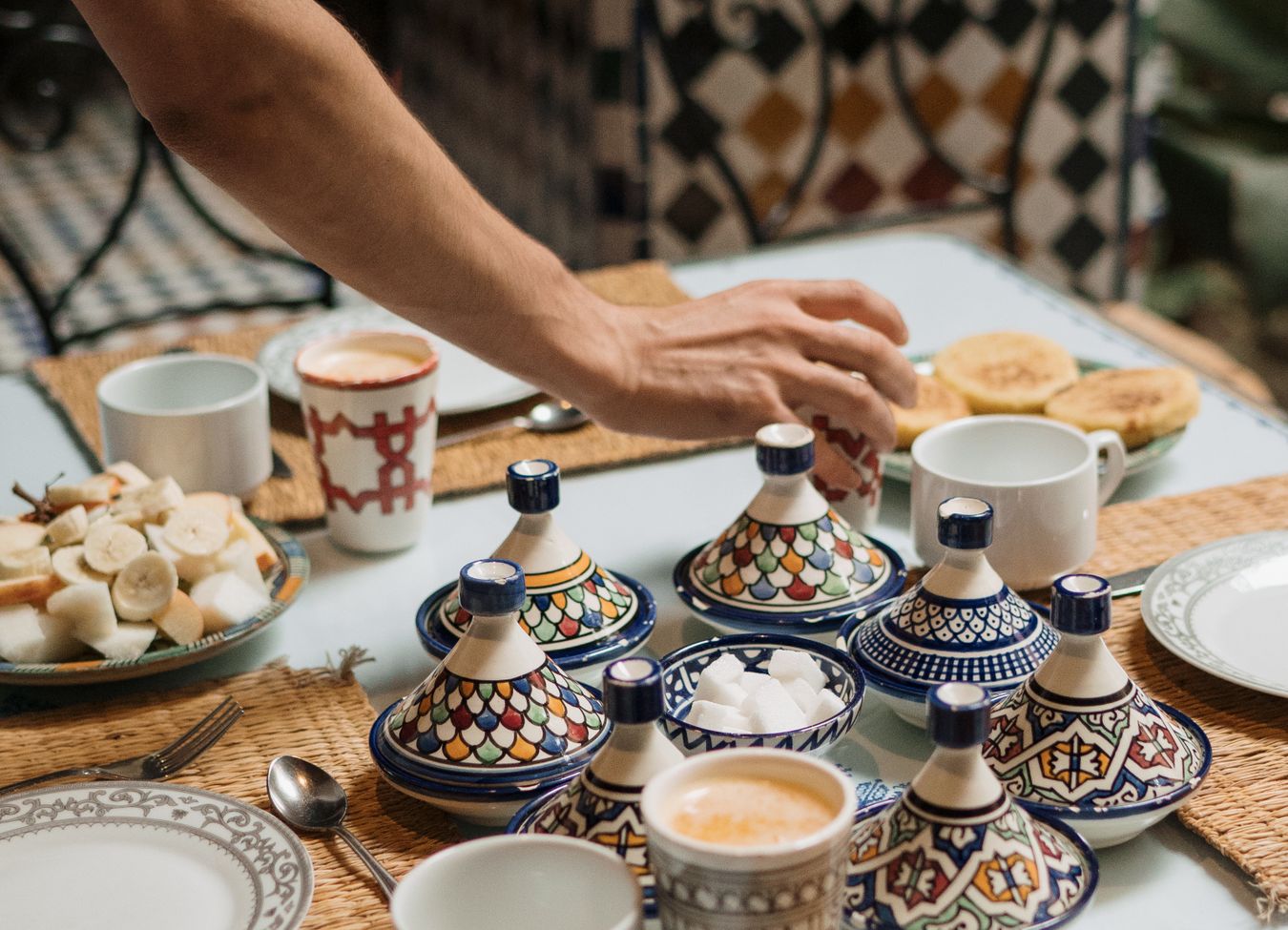
At the core of Moroccan cooking is the concept of balancing flavors and textures. Sweet and savory elements often coexist in a single dish, exemplified by iconic meals like tagine and couscous. This interplay not only tantalizes the palate but also reflects the cultural ethos of sharing and hospitality inherent in Moroccan society.
Key Ingredients in Moroccan Cooking
- Couscous: A staple grain that serves as the foundation for many meals.
- Olive oil: Used generously for cooking and dressing dishes.
- Lentils and chickpeas: Key sources of protein, often featured in stews.
- Fresh herbs: Such as parsley and cilantro, add brightness to dishes.
- Dried fruits: Raisins and apricots are commonly used in savory dishes.
Understanding these foundational elements will enhance your cooking experience, allowing you to recreate authentic Moroccan flavors in your kitchen. This deep knowledge serves not only as a guide but also as a celebration of a culinary tradition that thrives on freshness and community.
Practical Applications of Exploring Traditional Moroccan Dishes
Understanding traditional Moroccan dishes goes beyond mere appreciation; it opens doors to practical cooking applications and cultural insights. Each dish is steeped in history, reflecting the diverse influences that have shaped Moroccan cuisine. By grasping the nuances of these dishes, you can recreate authentic flavors in your kitchen, fostering not only culinary skill but also cultural connection.
Incorporating Moroccan Dishes into Your Cooking Routine
To effectively incorporate Moroccan dishes into your cooking repertoire, consider the following strategies:
- Start with staple dishes such as tagine or couscous, which serve as excellent introductions to the cuisine.
- Experiment with spices like cumin, coriander, and saffron, crucial for authentic flavor profiles.
- Host themed dinners featuring multiple Moroccan dishes, providing an opportunity to explore various flavors and cooking techniques.
Understanding Cultural Significance
Each dish is not only a meal but a representation of Moroccan identity, often prepared during specific occasions or family gatherings. For instance, the preparation of pastilla, a savory-sweet pie, is traditionally reserved for celebrations, highlighting its role in Moroccan culture.
Moroccan cuisine is a journey through flavors, history, and community.
By immersing yourself in these culinary traditions, you gain insight into the Moroccan way of life, enhancing both your cooking skills and cultural appreciation. This holistic approach to traditional dishes fosters a richer understanding and experience of Moroccan cuisine.
Avoiding Common Missteps in Moroccan Cuisine
When exploring Moroccan cuisine, many enthusiasts inadvertently fall into common pitfalls that can detract from their culinary experience. Understanding these missteps is essential to truly appreciate the depth and richness of Moroccan food.
Misconceptions About Spices
One prevalent misconception is the belief that more spices equate to better flavor. While Moroccan dishes are indeed known for their vibrant spices, the key lies in balance and harmony. Each spice, from cumin to saffron, plays a distinct role in the dish, and overpowering one can spoil the intended flavor profile.
Avoid over-spicing your dishes; focus on the balance of flavors.
Cooking Techniques
Another common mistake is misunderstanding traditional cooking methods. For instance, using a regular pot instead of a tagine can lead to dry or unevenly cooked food. The tagine is designed for slow cooking, allowing flavors to meld beautifully.
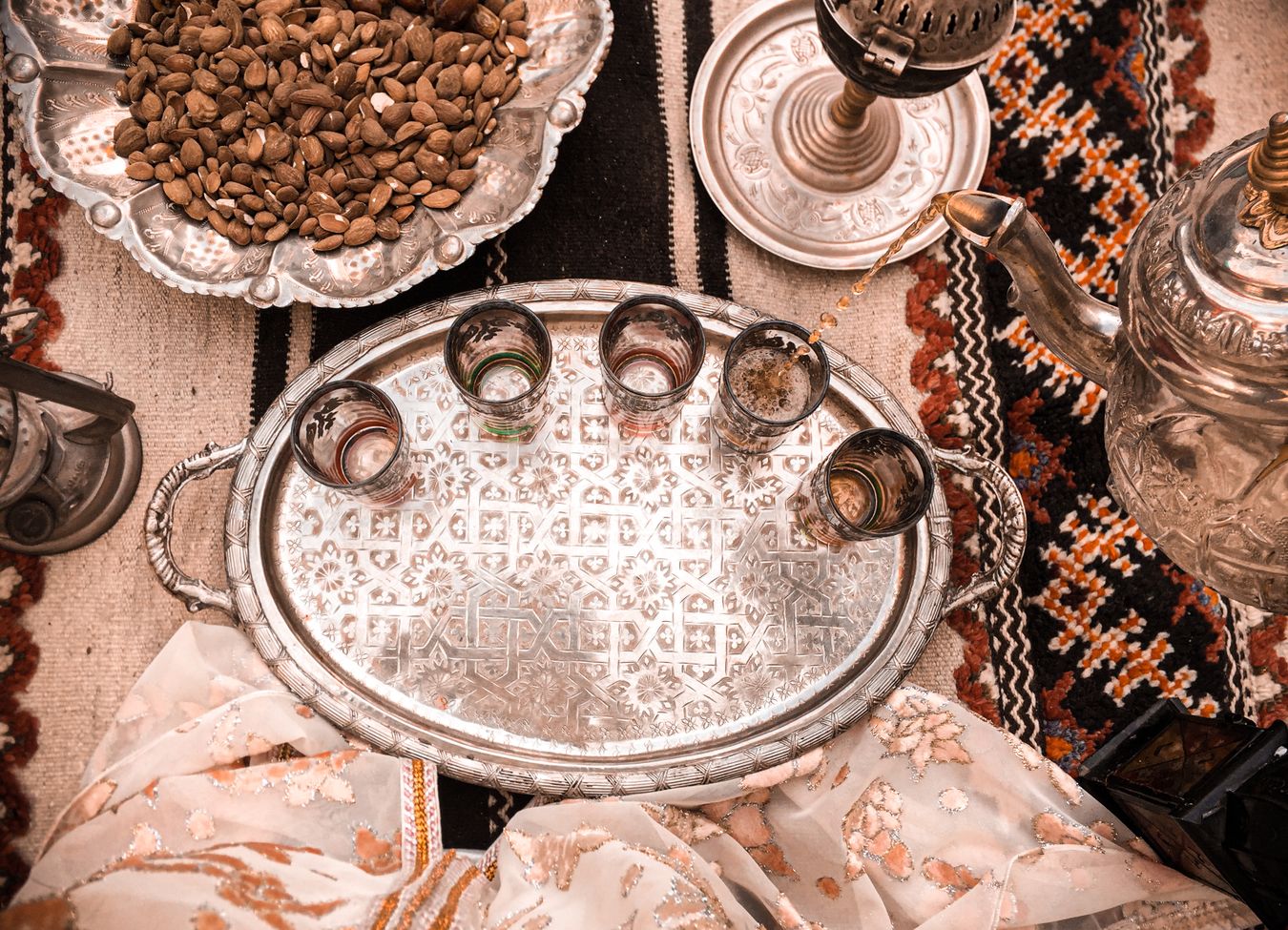
Additionally, neglecting the importance of marination is another oversight. Marinating meats not only enhances flavor but also tenderizes them, creating a meal that is both delicious and satisfying.
Ingredient Quality
Finally, using low-quality ingredients can lead to disappointing results. Opt for fresh, seasonal produce and authentic spices whenever possible. The quality of your ingredients directly impacts the authenticity and taste of your Moroccan dishes.
Authenticity in Moroccan cooking is achieved through balance, patience, and quality ingredients.
Exploring Iconic Moroccan Dishes: Case Studies
Understanding Moroccan cuisine goes beyond just recipes; it involves rich stories and cultural significance behind each dish. Let's delve into specific examples that illustrate the diversity and tradition of Moroccan gastronomy.
Couscous: The National Dish
Couscous is a staple in Moroccan households, traditionally served on Fridays after the midday prayer. One family in Marrakech has been passing down their couscous recipe for generations, using semolina wheat sourced from local markets. They serve it with a variety of seasonal vegetables and lamb, showcasing the importance of community and family in Moroccan dining.
Tagine: A Culinary Symbol
Tagine represents more than just a cooking method; it's a cultural experience. In the Rif Mountains, a local chef prepares a chicken tagine with preserved lemons and olives, emphasizing the use of fresh, local ingredients. This dish not only highlights the unique flavors of the region but also brings people together around the table, where stories are shared and bonds are strengthened.
Harira: Nourishing Tradition
During Ramadan, the soup Harira is a symbol of nourishment and hospitality. In Casablanca, a family opens their home to neighbors each evening to break their fast with a steaming bowl of this rich soup, made from tomatoes, lentils, and chickpeas. The act of sharing Harira embodies the spirit of community and generosity that is central to Moroccan culture.
Every dish tells a story; it's about the ingredients, the people, and the traditions that come together.
These examples illustrate how Moroccan dishes are deeply intertwined with the country's cultural identity and social fabric. Each meal serves not just to satisfy hunger but to reinforce connections among family and friends, making Moroccan cuisine a rich tapestry of flavors and experiences.
Elevating Your Moroccan Culinary Skills
As you delve deeper into the art of Moroccan cooking, it is essential to explore advanced techniques and nuanced understandings that can elevate your dishes from traditional to extraordinary. Mastering the balance of spices, understanding the regional variations, and employing traditional cooking methods can vastly improve your culinary repertoire.
Understanding Spice Pairing
Moroccan cuisine is renowned for its unique and complex flavor profiles. To truly excel, familiarize yourself with the various spices and their compatibility. For example, the combination of cumin, coriander, and cinnamon is a hallmark of many Moroccan dishes. Experimenting with the ratios and timing of when to add spices—such as blooming them in oil versus adding them towards the end—can profoundly affect the final flavor.
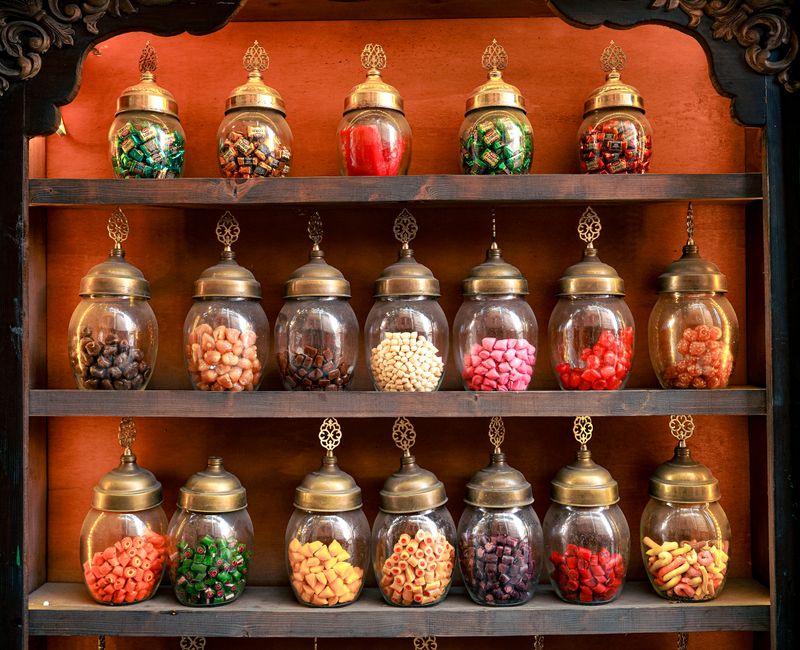
Mastering Traditional Techniques
Techniques such as slow cooking in a tagine or the art of making couscous from scratch can differentiate a novice from a seasoned cook. Allow the tagine to work its magic by simmering for hours, which melds the flavors beautifully. Additionally, consider using a couscoussière for steaming couscous, ensuring it comes out fluffy and perfectly textured.
The essence of Moroccan cooking lies not just in the ingredients, but in the techniques that bring them together.
Exploring Regional Variations
Morocco’s diverse culture means that recipes may vary significantly between regions. For example, the coastal cities favor seafood, while the mountainous regions focus on hearty, meat-based dishes. Embrace these differences by traveling through Moroccan cuisine, experimenting with local ingredients, and adapting your cooking style to reflect these subtleties.
Embrace the Richness of Moroccan Cuisine
As we conclude our exploration of the vibrant and diverse world of Moroccan cuisine, it's essential to reflect on the profound journey that authentic Moroccan cooking offers. This culinary tradition, steeped in history and culture, not only tantalizes the palate but also fosters a deeper understanding of the Moroccan way of life. Each dish tells a story, be it a fragrant tagine simmering with spices or sweet pastries that celebrate life's joyous moments.
By delving into these 25 traditional dishes, you have opened the door to a culinary adventure that goes beyond mere sustenance. You have learned how to blend spices, appreciate the significance of communal meals, and recognize the artistry behind each recipe. Whether you're preparing a meal for family or friends, or planning a trip to Morocco, the flavors and techniques you’ve discovered will enhance your experience and deepen your connections with others.
Moroccan food is not just a meal; it's an experience.
We invite you to share your journey with us. Try your hand at these recipes, experiment with the flavors, and let the essence of Morocco inspire your cooking. As you savor each bite, remember that you are part of a rich tapestry of culture and tradition that spans generations. Don't hesitate to reach out to us for tips, additional recipes, or any questions you may have.