
Unveiling the Rich Tapestry of Traditional Moroccan Weddings
Moroccan weddings are not merely ceremonies; they are vibrant celebrations steeped in centuries of culture and tradition. The intricate rituals, lavish feasts, and mesmerizing music are all threads woven into the rich tapestry of Moroccan society. For anyone interested in the culinary arts, these weddings offer a unique window into the heart of Moroccan cuisine, showcasing the flavors that define this remarkable nation. Understanding the significance of these traditions not only enhances your appreciation for Moroccan cooking but also invites you to experience a culture where food is a cornerstone of community and family.
At the heart of a Moroccan wedding lies a fusion of various cultural influences, from Berber to Arab and Andalusian traditions. Each element, from the clothing to the music, carries meaning and symbolism. The multi-day festivities, featuring an array of traditional dishes, provide an opportunity to discover the culinary heritage that accompanies these joyous occasions. For those seeking to explore authentic Moroccan recipes, understanding the context of these celebrations can enrich your cooking experience and deepen your connection to the culture.
In Morocco, a wedding is not just an event; it's an immersive experience that celebrates love, family, and culinary artistry.
As we journey through the customs and culinary delights of Moroccan weddings, you'll find that these gatherings are a reflection of the country's diverse history and its passionate approach to food. Embracing these traditions is not just about cooking; it’s about connecting to a legacy that celebrates life, love, and the artistry of Moroccan cuisine.
Understanding the Essence of Moroccan Weddings
At the heart of traditional Moroccan weddings lies a rich tapestry of cultural significance and historical roots. These weddings are not just celebrations of love, but also a reflection of communal values, family bonds, and age-old customs. The events are often grand and can last several days, showcasing the depth of Moroccan hospitality and the importance of family and societal ties.
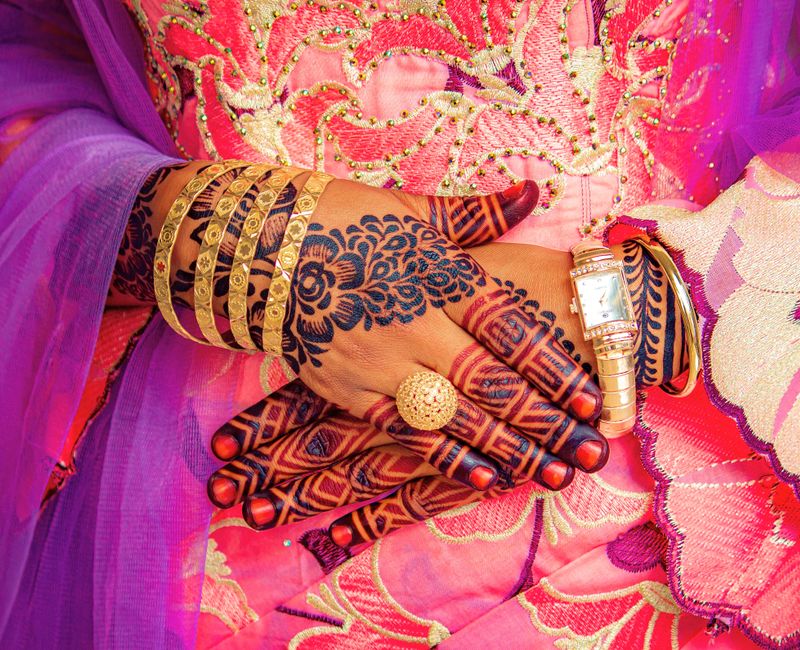
One foundational concept to grasp is the structure of the wedding festivities, which typically include various ceremonies and rituals that symbolize the union of two families. The most notable stages are the *Hana*, where intricate henna designs are applied to the bride's hands and feet, and the *Zaffa*, a vibrant procession that announces the bride's arrival. Each segment of the wedding serves a purpose, from honoring traditions to fostering community joy.
Key Elements of Moroccan Wedding Traditions
- The *Amin*, a pre-wedding ritual where the groom seeks blessings from his family and community.
- A multi-day celebration, often featuring music, dancing, and feasting, emphasizing the joy of the occasion.
- The bride's multiple attire changes, showcasing exquisite craftsmanship and regional styles.
Understanding these foundational elements will not only deepen your appreciation for Moroccan wedding traditions but also illustrate the significance of community, family, and cultural heritage in shaping these vibrant celebrations.
The Significance of Traditional Moroccan Weddings
Traditional Moroccan weddings are more than just a union between two individuals; they are rich cultural events steeped in history and communal celebration. Each stage of the wedding process serves a purpose and reflects the values of Moroccan society, emphasizing family, community, and cultural heritage. Understanding these practical implications helps participants and attendees appreciate the deeper meanings behind the rituals and customs.
Key Elements of the Wedding Ceremony
- The Henna Ceremony: A pre-wedding ritual where intricate designs are applied to the bride's hands and feet, symbolizing joy and prosperity.
- The Wedding Feast: A lavish banquet showcasing Moroccan cuisine, where traditional dishes such as couscous, tagine, and pastries are served, representing abundance.
- The Zaffa: A musical procession that announces the couple's arrival, often involving traditional instruments and vibrant dancing, enhancing the festive atmosphere.
Community Involvement and Support
Moroccan weddings are deeply communal affairs. Families and friends play vital roles in organizing the event, from planning to participation. This collective involvement reinforces social bonds and highlights the importance of community support in the couple's new journey together. Such dynamics not only enrich the wedding experience but also ensure the couple feels surrounded by love and well-wishes.
Traditional Moroccan weddings serve as a bridge between generations, preserving customs while fostering community connections.— Bazooka Moroccan Kitchen
Common Missteps in Understanding Traditional Moroccan Weddings
Traditional Moroccan weddings are vibrant celebrations steeped in cultural significance, yet many misconceptions and pitfalls can arise when discussing or planning such events. Understanding these common missteps can enhance both the appreciation and the execution of this rich tradition.
Misconceptions About Wedding Rituals
One prevalent misconception is that all Moroccan weddings follow a uniform format. In reality, variations exist based on region, family customs, and personal preferences. For instance, while the marriage ceremony often includes the signing of a marriage contract (the *katb el-kitab*), the specific traditions surrounding this event can differ significantly from one locale to another.

Common Pitfalls to Avoid
- Ignoring regional variations in customs
- Overlooking the importance of the *henna* ceremony
- Disregarding the role of music and dance in celebrations
- Assuming all guests receive the same invitation etiquette
Additionally, many assume that the *henna* ceremony is merely a decorative practice. In fact, it holds deep cultural significance, symbolizing blessings and protection for the bride. Failing to give it due importance can diminish the wedding's authenticity.
Understanding the nuances of Moroccan wedding traditions is essential for both appreciation and celebration.— Cultural Expert
Finally, it's crucial to recognize that Moroccan weddings are not merely about the couple; they are communal events that bring families and friends together. Misunderstanding this aspect can lead to planning oversights, such as not accommodating guests' needs or neglecting to engage the wider community in the festivities.
Embodying Tradition: Case Studies in Moroccan Weddings
Traditional Moroccan weddings are rich in history and cultural significance, showcasing a blend of rituals, attire, and culinary traditions that vary by region. For instance, a typical wedding in Marrakech might last several days, starting with the Henna night, where intricate designs are painted on the bride's hands and feet. This event not only signifies beauty but also serves as a protective charm against the evil eye.
Regional Variations
In contrast, a wedding in the Rif Mountains may include unique elements such as traditional music played on the 'loutar,' a string instrument integral to Berber culture. This musical backdrop enhances the festive atmosphere as guests partake in local dances.
The role of food is paramount in Moroccan weddings, with elaborate feasts served. For example, the dish 'tagine' is a staple, often featuring lamb or chicken cooked with various spices and vegetables. A case study from a wedding in Agadir showcased a 12-course meal that included not only tagine but also a variety of pastries and sweets, highlighting the region's culinary diversity.
- Henna Ceremony
- Traditional Music
- Elaborate Feasts
- Diverse Attire
Modern Influences
As Moroccan weddings evolve, many couples blend traditional practices with contemporary elements. For instance, a couple in Casablanca incorporated a modern wedding cake alongside traditional pastries, symbolizing the merging of old and new. Such adaptations reflect changing societal norms while still honoring cultural heritage.
Every wedding tells a story, weaving together the past and present of Moroccan culture.— Cultural Expert
Exploring the Nuances of Traditional Moroccan Weddings
Traditional Moroccan weddings are vibrant celebrations that reflect the rich cultural heritage of Morocco. For those interested in diving deeper, it is essential to understand the intricate rituals and customs that make these weddings unique. The multi-day festivities typically include several phases, each with its own significance and set of traditions.
Pre-Wedding Rituals
Before the wedding day, various pre-wedding rituals take place, culminating in the Henna ceremony. This event, often held a day or two prior to the wedding, involves the bride having intricate henna designs applied to her hands and feet. This is not merely an aesthetic choice; henna symbolizes joy, luck, and fertility. Additionally, families may exchange gifts and engage in gatherings that strengthen familial bonds.

The Wedding Day
On the wedding day itself, the celebration is marked by a series of traditional elements. The bride traditionally wears a **takchita**, a beautiful gown often adorned with elaborate embroidery. The groom usually dons a traditional **djellaba**. During the ceremony, the couple may sit under a canopy, symbolizing their new life together. The officiant, known as a **moulin**, leads the couple through vows that emphasize commitment and faithfulness.
Post-Wedding Celebrations
After the wedding, the festivities continue with a feast featuring traditional Moroccan dishes such as **couscous**, **tagines**, and an array of pastries. Music, dancing, and merriment are integral to the celebration, often lasting well into the night. Understanding these advanced details allows one to appreciate the cultural significance behind each act, reinforcing the community’s ties and honoring their heritage.
Moroccan weddings are a beautiful tapestry of tradition, reflecting the rich cultural heritage of the country.— Cultural Anthropologist
Celebrate the Essence of Moroccan Culture
As we conclude our exploration of traditional Moroccan weddings, it's clear that these vibrant celebrations are much more than mere events; they are an embodiment of rich cultural heritage, deep-rooted customs, and the unity of families. The exquisite rituals, from the Henna ceremony to the grand procession, reflect the values and traditions passed down through generations. Participating in or even witnessing such a wedding allows you to experience the warmth of Moroccan hospitality and the joy of community.
By embracing the traditions of Moroccan weddings, not only do you gain insight into the culture, but you also learn to appreciate the artistry involved in the decorations, cuisine, and attire. Each element, from the sumptuous dishes to the enchanting music, plays a vital role in creating unforgettable memories for the couple and their guests.
We invite you to immerse yourself in the world of Moroccan culinary delights and cultural practices that surround these weddings. Whether you’re planning your own celebration, attending a Moroccan wedding, or simply looking to enrich your understanding of this beautiful culture, the experiences you gain will be invaluable.