
Essential Moroccan Flavors: A Culinary Journey
Morocco's culinary heritage is a vibrant tapestry woven from centuries of cultural exchange, embodying the essence of its rich history and diverse influences. As a country where spices, aromas, and colors blend seamlessly, Moroccan cuisine offers an unforgettable experience that captivates the senses. For travelers venturing to this stunning North African destination in 2026, understanding the significance of traditional Moroccan dishes is crucial not only for savoring authentic flavors but also for appreciating the stories and traditions behind each meal.
Dining in Morocco is about much more than just eating; it is a celebration of community, hospitality, and age-old customs. Each dish reflects the distinct regional ingredients and cooking methods, from the aromatic tagines that simmer slowly with a medley of vegetables and meats to the iconic couscous served on special occasions. The act of sharing food brings people together, making it a vital part of Moroccan culture. For tourists, indulging in these traditional delicacies opens a window into the heart of Moroccan life, cultivating a deeper connection to the land and its people.
To truly experience Morocco, one must embrace its flavors — each bite is a story waiting to unfold.— Culinary Enthusiast
As you prepare for your Moroccan adventure, recognizing the importance of these traditional dishes will not only enhance your culinary journey but also enrich your overall travel experience. The flavors of Morocco are an invitation to explore, and every dish has a tale to tell, waiting to be discovered on your plate.
Essential Moroccan Culinary Foundations
Understanding traditional Moroccan cuisine requires an appreciation of its unique flavor profile, which is influenced by a rich tapestry of history and cultural interactions. Moroccan dishes are characterized by a harmonious blend of spices, fresh ingredients, and cooking techniques that reflect the country’s diverse regions and ethnic backgrounds. Central to many recipes are spices such as cumin, coriander, saffron, and cinnamon, which are often used in combination to create complex flavors.
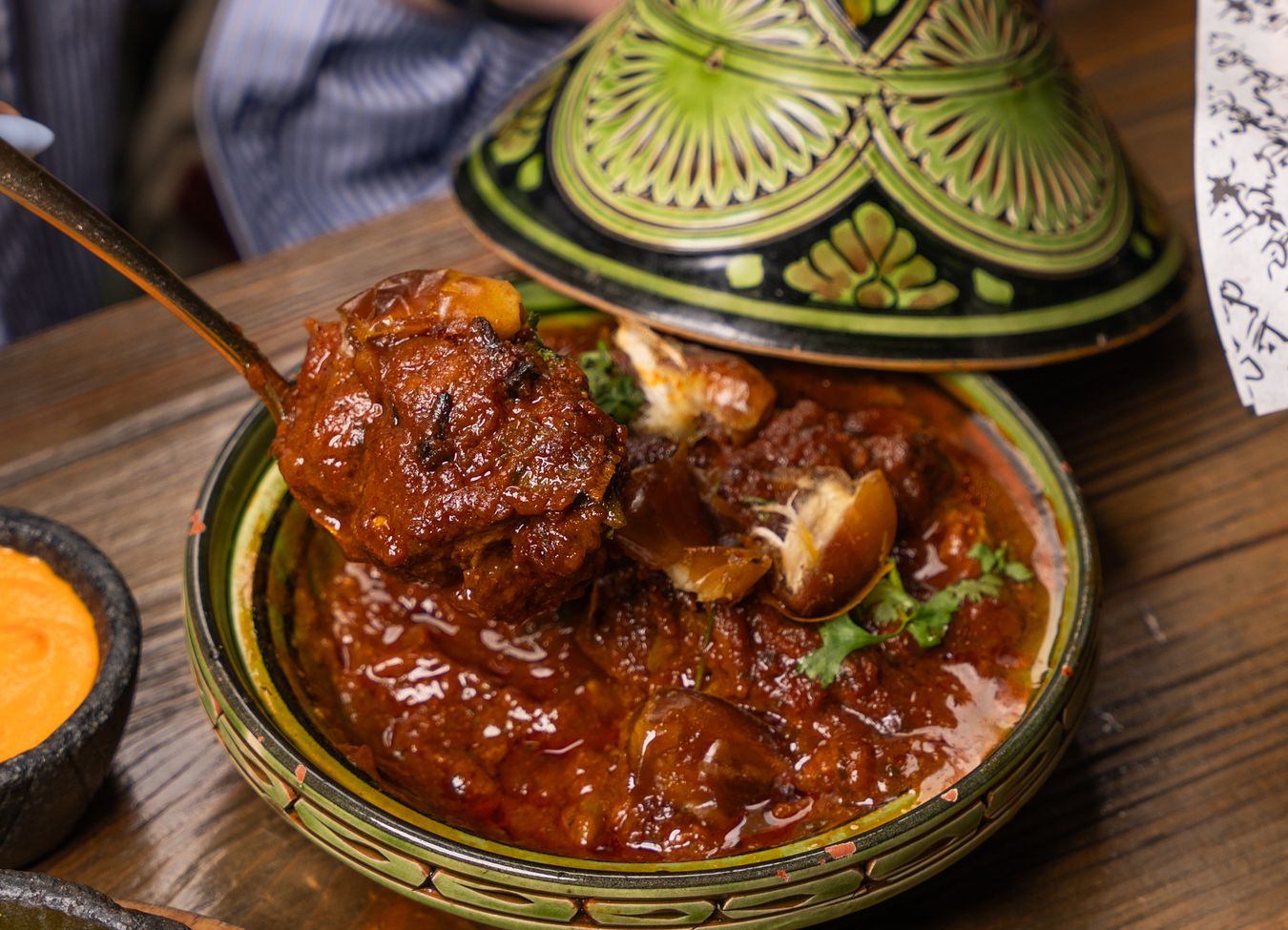
Another foundational aspect is the use of fresh produce, which varies by season and region. Ingredients like tomatoes, olives, and citrus fruits are staples in many dishes, providing a vibrant taste that complements the spices. Traditional cooking methods, such as slow-cooking in tagines, allow flavors to meld beautifully, resulting in rich and aromatic meals.
Key Dishes to Explore
- Couscous: A staple made from semolina, often served with vegetables and meat.
- Tagine: A slow-cooked stew named after the earthenware pot it's prepared in.
- Harira: A hearty soup traditionally enjoyed during Ramadan, made with lentils and chickpeas.
When exploring Moroccan cuisine, it’s essential to embrace its communal aspect—many dishes are served family-style, encouraging shared experiences. This not only enhances the meal but also fosters a sense of community and celebration. As you dive into the world of Moroccan cooking, remember that each dish tells a story, representing the rich cultural heritage of Morocco.
Practical Applications of Traditional Moroccan Dishes
Understanding the essence of traditional Moroccan dishes is not just about appreciating their flavors; it has practical applications for anyone looking to explore Moroccan cuisine authentically. When preparing these dishes, the key is to recreate the cultural context behind them, which can enhance flavor profiles and dining experiences.
Cooking Techniques and Ingredients
To authentically recreate Moroccan dishes, familiarizing oneself with the unique cooking techniques and ingredients is essential. Tagines, for instance, are not merely ceramic pots but are central to the cooking method that allows meats and vegetables to simmer slowly, enriching flavors. Key ingredients such as saffron, preserved lemons, and harissa can transform a dish, adding depth and authenticity.
For an authentic experience, seek out Moroccan spices and ingredients from specialty stores or online markets, as they provide the true essence of Moroccan flavors.
Cultural Significance and Sharing
Moroccan cuisine is deeply intertwined with the culture and traditions of the country. Sharing a meal, particularly one that features traditional dishes, fosters community and connection. Understanding the significance of dishes like couscous or pastilla can encourage one to embrace the communal aspect of dining, making meals more enjoyable and memorable.
Food is a universal language, and Moroccan dishes tell stories of tradition and community.— Anonymous
By integrating these practical elements into your culinary journey, you not only enhance your cooking skills but also honor the rich history and culture that these dishes represent.
Common Missteps in Exploring Traditional Moroccan Cuisine
When delving into Moroccan cuisine, tourists often encounter several misconceptions that can hinder their culinary experience. One prevalent mistake is assuming that all Moroccan dishes are overly spicy. While some dishes do feature spices, authentic Moroccan cooking focuses more on a harmonious blend of flavors rather than sheer heat.

Another common pitfall is the neglect of regional variations. Morocco is home to diverse culinary traditions, influenced by its geography, history, and the various cultures that have settled there. For instance, the dishes from the coastal regions often include fresh seafood, while the mountainous areas boast hearty stews. Overlooking these regional nuances can lead to a one-dimensional understanding of Moroccan cuisine.
Mistaken Ingredients and Preparation Techniques
Additionally, many tourists mistakenly believe that Moroccan dishes are complicated to prepare, leading them to shy away from trying to recreate these recipes at home. In reality, while some dishes may take time to cook, the techniques are often straightforward. A classic tagine, for example, involves layering ingredients and allowing them to simmer slowly, resulting in rich flavors without excessive effort.
- Not trying local street food, which offers authentic flavors.
- Assuming all Moroccan meals include couscous, when many do not.
- Ignoring the importance of bread, a staple in Moroccan dining.
- Forgetting to pair meals with mint tea, a cultural experience in itself.
By avoiding these common mistakes and taking the time to explore the diverse world of Moroccan cuisine, tourists can truly appreciate the rich culinary heritage that Morocco has to offer.
Delve Into Iconic Moroccan Dishes
Tagine: More Than Just a Cooking Vessel
Among the myriad of Moroccan dishes, tagine stands out not only for its unique flavor but also for its cooking method. This slow-cooked stew, prepared in a ceramic pot of the same name, often combines meat, vegetables, and a blend of spices. For instance, a traditional lamb tagine with apricots offers a harmonious balance of savory and sweet, making it a must-try for visitors seeking authentic Moroccan cuisine.
Couscous: A Cultural Staple
Couscous is another quintessential dish that reflects Morocco's rich culinary heritage. Often served on Fridays, this steamed semolina dish can be paired with a variety of ingredients like vegetables and meats. A perfect example is couscous with seven vegetables—a celebration of local produce that highlights the importance of communal dining in Moroccan culture. Visitors should savor this dish with family or friends to fully appreciate its significance.
Pastilla: A Sweet and Savory Delight
Pastilla, a traditional meat pie, showcases the Moroccan flair for blending flavors. Typically made with pigeon or chicken, it’s encased in layers of flaky pastry and dusted with powdered sugar and cinnamon. This dish is often served at festive occasions, symbolizing the warmth of Moroccan hospitality. Tourists should seek out local eateries to experience the authentic preparation of this culinary masterpiece.
Harira: Nourishment for the Soul
Lastly, visitors should not miss harira, a hearty soup traditionally consumed during Ramadan. Made with tomatoes, lentils, and often served with dates, harira embodies the spirit of Moroccan generosity and community. Enjoying a bowl of harira in the company of locals provides insight into the cultural significance of this dish.
Exploring the Depth of Moroccan Culinary Techniques
While savoring traditional Moroccan dishes is a delight, understanding the advanced culinary techniques that underpin these recipes can elevate your cooking experience. Moroccan cuisine is characterized by its intricate layering of flavors, use of diverse spices, and unique cooking methods that have been perfected over centuries.

The Art of Spice Blending
One of the cornerstones of Moroccan cooking is the precise blending of spices, often known as 'ras el hanout.' This complex mix can contain over twenty different spices, and mastering it is key to achieving authentic flavors. Understanding which spices complement each other and how to balance their heat and sweetness is essential for any serious cook.
Slow Cooking and Layering Flavors
Traditional Moroccan dishes often rely on slow cooking methods, such as those used in tagines and couscous preparations. These techniques allow for the gradual melding of flavors, creating a depth that is difficult to achieve with quick cooking methods. When preparing a tagine, for example, consider the layering process: starting with aromatics, followed by proteins, vegetables, and finally, a rich sauce.
For an authentic experience, always use fresh, high-quality spices and ingredients. This attention to detail will significantly enhance the final dish.
Advanced cooks can also experiment with various cooking vessels, such as the ceramic tagine or the traditional Moroccan grill, known as a 'mechoui,' to further infuse their dishes with unique flavors.
Embrace the Flavors of Morocco
As we draw our culinary journey to a close, it is clear that traditional Moroccan dishes are more than just food; they are a vibrant tapestry woven from history, culture, and the richness of local ingredients. Each dish tells a story, inviting you to experience the warmth of Moroccan hospitality and the artistry of its culinary traditions. From the famous tagines simmering with aromatic spices to the delightful pastillas that blend sweet and savory, there is a world of flavors waiting to be explored.
Moreover, the act of preparing these dishes is a celebration of community and family, offering a chance to gather around the table and share in the joys of cooking. Whether you're a seasoned chef or a curious novice, the recipes and techniques shared here will empower you to bring the essence of Moroccan cuisine into your home.
Indulge in the culinary magic of Morocco.
We encourage you to step into the kitchen, experiment with spices, and embrace the vibrant flavors that Moroccan cuisine has to offer. Let each dish inspire you to create unforgettable memories through food. Your next culinary adventure awaits!