
Indulging in Moroccan Sweetness: A Journey into Desserts
Moroccan desserts are not merely treats; they are cultural treasures that encapsulate the rich tapestry of history, tradition, and flavor that defines Morocco. From the bustling souks of Marrakech to the serene desert landscapes of the Sahara, these sweets are an integral part of Moroccan hospitality and celebration. For anyone eager to explore international cuisine, understanding Moroccan desserts opens a window into the heart of a vibrant culture steeped in centuries of culinary artistry.
What makes Moroccan desserts particularly captivating is their unique blend of flavors—think aromatic spices like cinnamon and nutmeg combined with the sweetness of honey and the crunch of nuts. Each dessert tells a story, often reflecting local ingredients and the influences of various cultures that have traversed this North African nation. Whether served during festive occasions like weddings and Ramadan or enjoyed as everyday snacks, these confections are crafted with care and are meant to be shared.
Exploring Moroccan desserts is not just about tasting; it's about experiencing a culinary journey that connects you to the people and traditions of Morocco. From the iconic baklava to the delicate chebakia, each bite is an invitation to savor the essence of Moroccan life. This is why delving into the world of Moroccan sweets matters—it allows you to appreciate the artistry behind these desserts while also celebrating the communal aspect of Moroccan dining. As we embark on this sweet exploration, prepare to indulge your senses and discover the beloved desserts that have made their mark in Moroccan kitchens.
Understanding Moroccan Desserts: A Cultural Perspective
Moroccan desserts are a vital part of the country's rich culinary heritage, steeped in tradition and influenced by a blend of cultures. To truly appreciate these sweets, one must understand the foundational elements that define them. At the heart of Moroccan desserts is the use of natural ingredients, which are often locally sourced and seasonally inspired.
A hallmark of Moroccan desserts is the use of spices such as cinnamon, saffron, and anise, which add depth and complexity to the flavors. Honey is another key ingredient, providing sweetness and a touch of luxury. Nuts, particularly almonds and pistachios, are frequently incorporated, adding texture and richness.

Tradition and Celebration
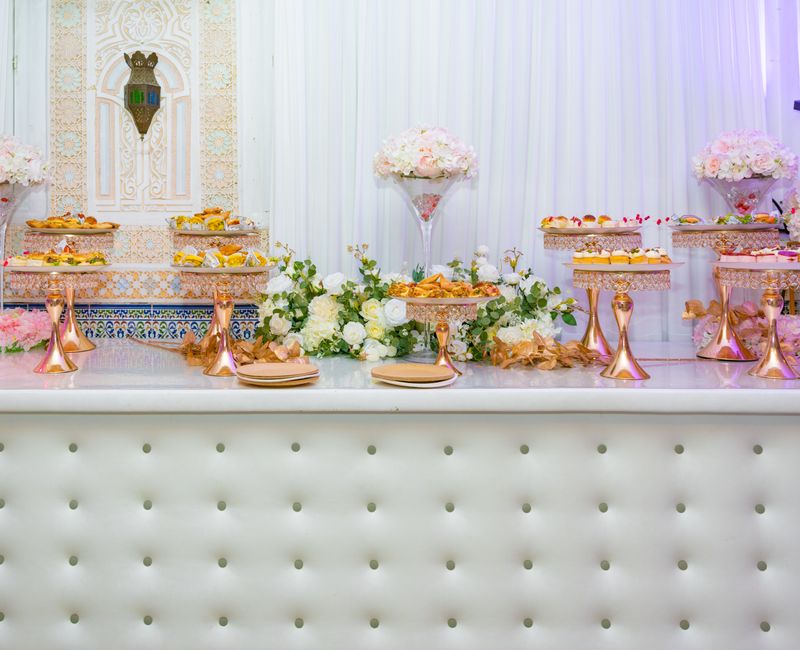
Desserts in Morocco are not merely an afterthought; they play a crucial role in celebrations and everyday life. They are often served during festive occasions such as weddings, Ramadan, and religious holidays. The presentation of desserts is just as important as their taste, often displayed in elaborate arrangements that reflect the artistry of Moroccan culture.
- Natural ingredients
- Spices for complexity
- Honey for sweetness
- Nuts for texture
Understanding these foundational elements will enhance your appreciation and ability to recreate Moroccan desserts. Whether you're preparing a traditional dish or experimenting with modern interpretations, keeping these principles in mind will guide your culinary journey.
Unlocking the Sweet Side of Moroccan Cuisine
Moroccan desserts are a vibrant tapestry of flavors and textures, deeply rooted in the country’s rich culinary heritage. Understanding the practical implications of these desserts enables both home cooks and culinary enthusiasts to embrace these creations in their own kitchens. From the spices used to the techniques employed, each dessert tells a story and invites you to explore.
Essential Ingredients and Techniques
- Almonds: A staple in Moroccan sweets, often used in various forms such as flour or paste.
- Honey: Adds sweetness and a unique flavor profile, frequently drizzled over pastries.
- Cinnamon and Orange Blossom Water: Essential for infusing traditional desserts with aromatic depth.
- Semolina: A key ingredient for textures in cakes and puddings.
Incorporating these ingredients into your desserts can significantly enhance their authenticity. For instance, using orange blossom water not only adds a distinctive taste but also connects your dish to Moroccan traditions.
Balancing Flavors and Textures
A hallmark of Moroccan desserts is their complexity, balancing sweetness with floral and nutty flavors. When creating your own Moroccan sweets, consider these practical applications:
- Experiment with layering flavors: Combine different spices and nuts in your recipes to create depth.
- Focus on presentation: Moroccan desserts often feature intricate designs; invest time in garnishing for visual appeal.
- Pair with beverages: Serve desserts alongside mint tea to enhance the dining experience.
Moroccan desserts offer a delightful journey through flavor and tradition.
Avoiding Common Missteps with Moroccan Desserts
Exploring the world of Moroccan desserts can be delightful, but it's crucial to navigate some common pitfalls that can detract from the authenticity and enjoyment of these treats. Understanding the nuances of Moroccan dessert-making is essential to avoid disappointment.
Misconceptions About Ingredients
One prevalent misconception is the substitution of key ingredients. For instance, many recipes call for specific spices like cinnamon and saffron, which impart unique flavors. Using generic substitutes or omitting them entirely can lead to a bland outcome. Additionally, Moroccan desserts often rely on quality ingredients such as almonds and orange blossom water. Skimping on these may yield a result that lacks authenticity.
Common Preparation Errors
Another area of concern is the preparation techniques. Moroccan desserts often involve intricate processes, such as layering phyllo dough for baklava or slow-cooking for hours to achieve the perfect texture in dishes like couscous with raisins. Rushing these steps can compromise the final product.
Be cautious of using pre-made mixes or shortcuts that deviate from traditional methods. Authentic Moroccan desserts require time and attention to detail.
Overlooking Cultural Context
Finally, overlooking the cultural context can lead to misunderstandings about serving and enjoying Moroccan desserts. For example, sweets are often served during special occasions or alongside mint tea. Understanding these practices enhances your appreciation and enjoyment of the desserts.
Delightful Moroccan Desserts: A Closer Look
Moroccan cuisine is renowned for its vibrant flavors and rich textures, and dessert is no exception. The following examples showcase a variety of traditional Moroccan sweets that reflect the country's unique culinary heritage.
Classic Favorites
- Baklava: A rich pastry made from layers of filo filled with chopped nuts and sweetened with honey.
- M'hancha: Also known as snake cake, this is a spiral pastry filled with almond paste and flavored with orange blossom water.
- Chebakia: Sesame cookies shaped into flowers, fried and coated with honey, which are particularly popular during Ramadan.
Cultural Variations
Many Moroccan desserts are regional specialties. For example, the Agadir region is famous for its 'Bastilla au Sucre,' a sweet version of the traditional savory pastilla, often filled with almonds and flavored with cinnamon and sugar.
In the northern Rif region, 'Zriga' is a beloved treat made with semolina and flavored with aniseed, which has a distinct texture and taste that's cherished by locals.
Modern Twists
Contemporary Moroccan chefs are also experimenting with traditional recipes. For instance, a modern take on the classic 'Kaab el Ghazal' (gazelle horns) incorporates gourmet chocolate and exotic spices, creating a fusion dessert that appeals to both local and international palates.
Moroccan desserts are not just treats; they are a celebration of culture and tradition.— Culinary Expert
Elevating Your Moroccan Dessert Skills
As you delve deeper into the world of Moroccan desserts, understanding the nuances and advanced techniques can truly elevate your culinary repertoire. Moroccan desserts are not merely about following recipes; they are a blend of tradition, artistry, and the delicate balancing of flavors and textures.
Mastery of Moroccan desserts lies in the details: techniques, temperature, and timing.
Techniques and Ingredients
To craft authentic Moroccan desserts, focus on mastering specific techniques, such as the art of making perfect *briouates* and *m'hanncha* (snake cake). Both require precision in folding and shaping. Additionally, sourcing high-quality ingredients, such as pure orange blossom water or the finest almonds, can make a significant difference in flavor.

Flavor Profiles and Pairings
Understanding flavor profiles is essential. Moroccan desserts often feature spices like cinnamon and nutmeg, which can enhance sweetness. Explore innovative pairings, such as serving *kaab el ghazal* (gazelle horns) with a spiced mint tea to complement the pastry's flavors. Also, consider the balance of textures—crunchy nuts against velvety fillings or flaky pastry can create a delightful experience.
Don't hesitate to experiment with traditional recipes. The best chefs often tailor classic desserts to their unique style.
Finally, presentation is key in Moroccan culture. Desserts are often served on ornate platters, garnished with edible flowers or nuts. This visual appeal not only enhances the dining experience but also pays homage to the rich cultural heritage of Moroccan cuisine.
Embrace the Sweetness of Moroccan Cuisine
As we conclude our journey through the top Moroccan desserts, it becomes clear that these sweet delights offer more than just flavor; they encapsulate the rich cultural tapestry of Morocco. Each dessert is a testament to the country's culinary heritage, showcasing a blend of spices, textures, and local ingredients that evoke a sense of authenticity and tradition. By incorporating these recipes into your cooking repertoire, you not only indulge your palate but also celebrate the essence of Moroccan culture.
From the aromatic notes of orange blossom water to the crispy layers of baklava, the diversity of Moroccan desserts invites you to explore different tastes and techniques. Whether you're preparing for a special occasion or simply wishing to satisfy a sweet craving, these recipes can elevate any meal, creating memorable experiences for you and your loved ones.
Moroccan desserts are a celebration of culture and flavor.
Now is the perfect time to dive deeper into the art of Moroccan cooking. Experiment with these dessert recipes, share your creations with friends, and continue to learn about the beautiful traditions that shape Moroccan cuisine. Let your kitchen become a canvas for Moroccan flavors, where each dish tells a story.