
Discovering the Wonders of Morocco
Morocco, a vibrant country that straddles North Africa and the Mediterranean, offers an enticing blend of history, culture, and natural beauty. From the bustling souks of Marrakech to the serene sands of the Sahara, the experiences awaiting you are as diverse as the landscapes themselves. Understanding what makes Morocco unique is essential for anyone looking to explore its rich tapestry of traditions and sights. This enchanting destination is not just about picturesque landscapes; it’s a journey through time. The country is steeped in ancient history, with influences from Berber, Arab, and French cultures that have shaped its identity. By immersing yourself in its sights and sounds, you unlock a deeper appreciation for the traditions and culinary delights that define Moroccan life. For travelers and food enthusiasts alike, engaging with Morocco's culture means more than simply visiting landmarks. It’s about savoring the flavors of a traditional tagine, participating in local festivals, and understanding the stories behind every bustling market stall. Whether you're planning a trip or simply seeking to expand your culinary repertoire, understanding Morocco's rich cultural heritage matters immensely. It will enhance your experience and create lasting memories, allowing you to connect with the people and places that make this North African gem truly exceptional.
Understanding the Moroccan Experience
To truly appreciate the essence of Morocco, it is vital to understand the foundational elements that shape its cultural and culinary landscape. Morocco is a country where diverse influences converge, creating a unique tapestry of traditions, flavors, and experiences. From the bustling souks of Marrakech to the serene landscapes of the Sahara, each region offers distinct characteristics that define Moroccan life.
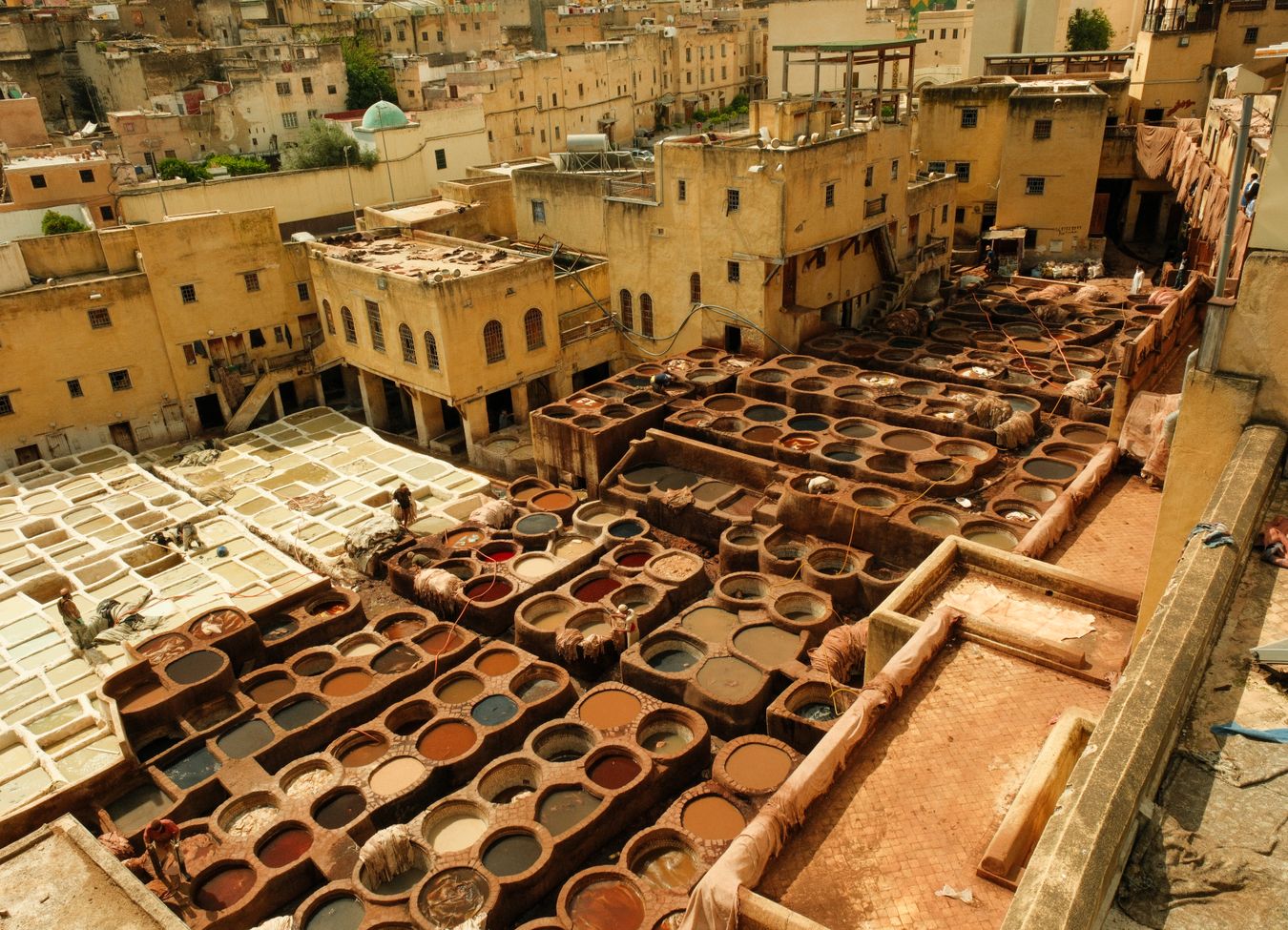
The Moroccan experience is deeply intertwined with its history, marked by Berber, Arab, and French influences that reflect in its architecture, language, and, importantly, its cuisine. Every meal is a celebration of this heritage, where the use of spices such as cumin, coriander, and saffron is not just a culinary choice but a cultural statement. Understanding these spices and their roles in traditional dishes, such as tagines and couscous, is essential for anyone looking to delve into authentic Moroccan cooking.
Core Elements of Moroccan Culture
- Hospitality: Moroccan culture is renowned for its welcoming nature, often expressed through shared meals.
- Tradition: Recipes are passed down through generations, each family adding their unique twist.
- Spices: The heart of Moroccan cuisine, spices are used liberally and creatively to enhance flavors.
Moreover, the communal aspect of dining plays a crucial role in Moroccan culture. Meals are typically enjoyed in large gatherings, reinforcing social bonds and fostering a sense of community. This cultural backdrop is essential for understanding not just the food, but the lifestyle that accompanies it.
Moroccan cuisine is not just about food; it's a cultural experience.— Bazooka Moroccan Kitchen
Practical Applications of Exploring Morocco
Understanding the rich tapestry of Moroccan culture and its varied experiences can enhance your journey in numerous ways. From culinary delights to breathtaking landscapes, being aware of what Morocco has to offer allows for a more immersive and meaningful experience.
Culinary Connections
Morocco is renowned for its vibrant food scene, which is a fusion of Arabic, Berber, and Mediterranean influences. Exploring local markets, such as the famous souks of Marrakech, enables you to discover fresh ingredients and traditional spices. By learning about local dishes like tagine and couscous, visitors can better appreciate the significance of these meals in Moroccan culture.
Engage with local chefs or take cooking classes to deepen your understanding of Moroccan cuisine.
Cultural Immersion
Participating in local festivals and traditions can lead to a richer understanding of Moroccan society. Events like the Fes Festival of World Sacred Music or the Marrakech Popular Arts Festival showcase the country’s artistic heritage. Engaging in these cultural activities promotes a connection with the local community and provides insights into their values and lifestyle.
Experiencing Morocco is about more than visiting landmarks; it’s about connecting with the people and their stories.
Adventure and Exploration
Outdoor enthusiasts will find a wealth of activities, from trekking in the Atlas Mountains to exploring the Sahara Desert. Understanding the geography and climate of Morocco helps travelers prepare for their adventures, ensuring they pack appropriately and select the right seasons for their activities.
Avoiding Common Missteps When Exploring Morocco
When embarking on an adventure through Morocco, it's essential to be aware of common pitfalls that can detract from the experience. Many travelers often overlook the importance of cultural sensitivity and local customs, which can lead to misunderstandings and uncomfortable situations. For instance, while casual attire is generally acceptable, visitors should dress modestly, especially in rural areas or religious sites.

Cultural Misunderstandings
One significant misconception is that bargaining is unnecessary in markets. In fact, haggling is a vital aspect of Moroccan culture, and failing to engage in this practice can result in overpaying for goods. Tourists often feel uncomfortable negotiating prices, but it's essential to remember that this is expected and part of the shopping experience.
- Neglecting to try local Moroccan dishes, which can lead to missing out on authentic flavors.
- Assuming all areas are tourist-friendly; some remote regions may have limited amenities.
- Not learning basic Arabic or French phrases can hinder communication and connection.
Logistical Oversights
Travelers frequently underestimate the distances between cities, which can lead to rushed itineraries or missed opportunities. It's advisable to plan travel routes carefully and allow ample time for exploration. Moreover, neglecting to prepare for the climate can also be problematic; Morocco has diverse weather conditions that vary drastically between regions.
Understanding the local culture is just as important as experiencing the sights.
Exploring Unique Moroccan Experiences
Morocco offers a myriad of unique experiences that go beyond mere sightseeing. By engaging in cultural activities, travelers can gain a deeper appreciation of its rich history and diverse traditions. Here are some concrete examples of immersive activities that can enhance your Moroccan journey.
Culinary Workshops
Participating in a Moroccan cooking class is a fantastic way to connect with the local culture. For instance, workshops in Marrakech often take place in traditional riads, where participants learn to prepare iconic dishes such as tagine and couscous. One popular establishment, the 'La Maison Arabe', offers classes that include a market tour, where chefs explain the importance of fresh spices and local produce.
Cultural Festivals
Attending one of Morocco's vibrant festivals can provide insight into the country's customs and celebrations. The Fes Festival of World Sacred Music, for example, attracts artists from around the globe, representing a fusion of cultures and musical styles. Visitors can enjoy performances in historical venues, enhancing their understanding of Morocco’s artistic heritage.
Desert Treks
Embarking on a trek in the Sahara Desert is another unforgettable experience. Guided camel treks often culminate in overnight stays in luxurious Berber tents, where travelers can stargaze and enjoy traditional meals around a campfire. Companies like 'Camel Trekking Morocco' provide tailored experiences that include local music and storytelling.
Experiencing Morocco is about immersing yourself in its rich culture, from the spice markets to the sandy deserts.— Travel Enthusiast
Advanced Insights into Moroccan Culinary Traditions
To truly appreciate Moroccan cuisine, one must delve into its intricate traditions and cultural significance. The preparation and consumption of food in Morocco extend beyond mere sustenance; they are deeply intertwined with social rituals, seasonal changes, and regional variations.

Understanding the ingredients and methods used in Moroccan cooking can elevate your culinary practice. Essential spices such as saffron, cumin, and coriander are not merely flavor enhancers; they are pivotal in defining the identity of Moroccan dishes. The use of preserved lemons and olives, for instance, showcases the balance between sweet and savory that characterizes much of the cuisine.
Regional Specialties to Explore
- Tagine variations from different regions
- Couscous served with local vegetables and meats
- Seafood dishes from coastal areas
- Berber-style barbecue (Mechoui)
- Sweets and pastries unique to each region
Moreover, the communal aspect of meals is essential. In Morocco, sharing food from a common dish fosters connection and hospitality. When hosting or attending a meal, consider the etiquette involved, such as using the right hand for eating and expressing gratitude through compliments about the food.
Embrace the practice of slow cooking, which is central to Moroccan cuisine. Preparing a dish like tagine can take hours, allowing flavors to develop fully.
Moroccan cuisine is a tapestry woven from history, geography, and community.— Culinary Expert
Embrace the Moroccan Experience
As we conclude our exploration of the top 100 things to do in Morocco, it's clear that this vibrant country offers an unparalleled tapestry of experiences that can transform any visit into a memorable journey. From the enchanting streets of Marrakech to the stunning landscapes of the Sahara Desert, Morocco is a land where tradition meets modernity, inviting travelers to immerse themselves in its rich history, diverse culture, and delectable cuisine.
Whether you are wandering through the bustling souks, savoring the aroma of spices in a local market, or enjoying a serene sunset over the dunes, each moment in Morocco is an opportunity to connect with its essence. The allure of Moroccan hospitality and the warmth of its people further enhance the experience, making it not just a destination, but a journey of discovery.
We encourage you to take the next step in planning your Moroccan adventure. Dive deeper into the recipes, traditions, and hidden gems that await you, ensuring that your experience is not only enjoyable but also richly authentic. Morocco is calling—answer it with open arms and an adventurous spirit.