
The Essence of Moroccan Olive Oil
When it comes to culinar وهي excellence, few ingredients hold as much significance as olive oil, particularly in Moroccan cuisine. This golden elixir is not merely a cooking medium; it is a cornerstone of flavor, a symbol of tradition, and a testament to the rich agricultural heritage of Morocco. As a reader passionate about authentic Moroccan cooking, understanding the role of olive oil enriches your culinary repertoire and connects you to the heart of Moroccan food culture.
Moroccan olive oil is renowned for its unique flavor profile, characterized by a robust, peppery finish and a hint of fruitiness. This distinctive taste arises from the country's diverse climate and soil conditions, which provide the perfect environment for cultivating high-quality olives. Furthermore, the traditional methods of extraction used in Morocco, often involving cold-press techniques, ensure that the oil retains its beneficial nutrients and vibrant flavor.
Beyond its culinary applications, olive oil is steeped in cultural significance in Morocco. It plays a vital role in social gatherings, religious rituals, and even as a symbol of hospitality. By incorporating Moroccan olive oil into your cooking, you are not just enhancing the flavors of your dishes; you are also participating in a rich cultural narrative that spans generations.
Olive oil is the lifeblood of Moroccan cuisine, infusing dishes with flavor and tradition.— Culinary Expert
Understanding the Essence of Moroccan Olive Oil
At the heart of Moroccan cuisine lies the rich and flavorful olive oil, which is more than just an ingredient; it is a key component of the country's culinary identity. To appreciate its significance, one must first understand the unique qualities that define Moroccan olive oil. Primarily derived from native varieties such as Picholine, Sigoise, and Arbequina, Moroccan olive oil is known for its diverse flavor profiles, ranging from fruity to peppery, depending on the region and harvest time.

The production process of Moroccan olive oil is steeped in tradition. Many families have been cultivating olives for generations, using methods passed down through time. The olives are typically harvested by hand, ensuring that only the best fruits are selected. This careful attention to selection contributes to the oil's high quality and distinctive taste.
Health Benefits and Culinary Uses
Beyond its flavor, Moroccan olive oil is celebrated for its health benefits. Rich in monounsaturated fats and antioxidants, it is a staple in the Mediterranean diet, promoting heart health and reducing inflammation. In Moroccan kitchens, olive oil is used in a variety of ways: drizzled over salads, incorporated into tagines, or simply enjoyed with bread. Its versatility makes it an essential ingredient, enhancing both the taste and nutritional value of dishes.
Moroccan olive oil is not just an ingredient; it’s a tradition that embodies the essence of Moroccan culture.
Explore the various regional olive oils in Morocco, as each offers a unique taste and character, reflecting the terroir of its origin.
Understanding the Practical Uses of Moroccan Olive Oil
Moroccan olive oil is not just a culinary ingredient; it plays a vital role in the culture and daily lives of Moroccans. Its applications extend far beyond the kitchen, impacting health, beauty, and social customs.
Culinary Applications
In the kitchen, Moroccan olive oil is revered for its rich flavor and health benefits. It can be used as a base for dressings, drizzled over salads, or incorporated into marinades for meats and vegetables. This versatile oil enhances the flavors of traditional dishes such as tagines and couscous, imparting a distinctive taste that is essential to authentic Moroccan cuisine.
Health Benefits
Rich in monounsaturated fats and antioxidants, Moroccan olive oil is known for its heart-healthy properties. Regular consumption can help lower cholesterol levels, reduce inflammation, and promote overall well-being. Cooking with this oil, instead of less healthy fats, is a simple way to enhance your diet.
Beauty and Personal Care
Beyond culinary uses, Moroccan olive oil is also a staple in beauty routines. Its moisturizing properties make it an excellent choice for skin and hair care. Many Moroccan women use it as a natural moisturizer, hair conditioner, or even in homemade soaps, showcasing its versatility.
When using Moroccan olive oil, remember to store it in a cool, dark place to preserve its flavor and health benefits.
Avoiding Common Missteps with Moroccan Olive Oil
When it comes to Moroccan olive oil, several misconceptions can lead to subpar culinary experiences. One of the most prevalent errors is assuming that all olive oils are created equal. The quality of olive oil can vary dramatically depending on the region and production methods. Moroccan olive oil, renowned for its rich flavor and health benefits, requires careful selection.

Misunderstandings in Selection and Storage
Another common pitfall is neglecting proper storage techniques. Olive oil should be stored in a cool, dark place away from heat and light, which can degrade its quality. Using clear glass containers can expose the oil to light, accelerating rancidity. To preserve the oil's unique flavor profile, opt for dark glass or metal containers.
- Choosing lower quality oils for cooking
- Storing olive oil improperly
- Assuming all olive oils have the same flavor profile
Culinary Applications and Flavor Pairings
Many novice cooks often misuse Moroccan olive oil by treating it like any other oil. Its robust flavor deserves a thoughtful approach. For instance, it shines in dressings, dips, and drizzles, rather than being subjected to high-heat cooking methods. This approach allows the oil’s nuanced flavors to elevate dishes.
The richness of Moroccan olive oil is best appreciated when it is treated with respect.
Always taste before using Moroccan olive oil in your dishes to ensure it complements the flavor profile you're aiming for.
Exploring the Depths of Moroccan Olive Oil
Moroccan olive oil is not just a cooking ingredient; it is a cornerstone of Moroccan culture and cuisine. Its production is steeped in tradition, with techniques passed down through generations. For instance, the small village of Taliouine is renowned for its high-quality olive oil, where local farmers handpick olives from ancient trees. This meticulous process ensures that the oil retains its robust flavor and nutritional value.
Case Study: The Art of Oil Extraction
Consider the method of cold pressing, which is prevalent in Morocco. This technique involves crushing olives without the use of heat, preserving essential nutrients and the oil's distinct flavor profile. A local cooperative in Essaouira employs this method, producing extra virgin olive oil that is both aromatic and flavorful, ideal for drizzling over tagines or pairing with fresh bread.
Culinary Applications and Pairings
The versatility of Moroccan olive oil extends beyond traditional dishes. In a modern culinary setting, chefs experiment with olive oil in various ways. For example, a popular restaurant in Marrakech serves a salad dressed with orange blossom-infused olive oil, marrying the rich taste of the oil with the citrus's freshness. This pairing not only enhances the dish's flavor but also highlights the oil's adaptability.
When selecting Moroccan olive oil, look for labels indicating 'extra virgin' to ensure the highest quality and flavor.
Delving Deeper into Moroccan Olive Oil
For those ready to explore the nuances of Moroccan olive oil, understanding the various grades and extraction methods is crucial. Extra virgin olive oil (EVOO), the highest quality oil, must meet stringent standards, including acidity levels below 0.8% and absence of defects. This category is characterized by its robust flavor profile, which can range from fruity to peppery, influenced by the specific olive varieties and terroir.
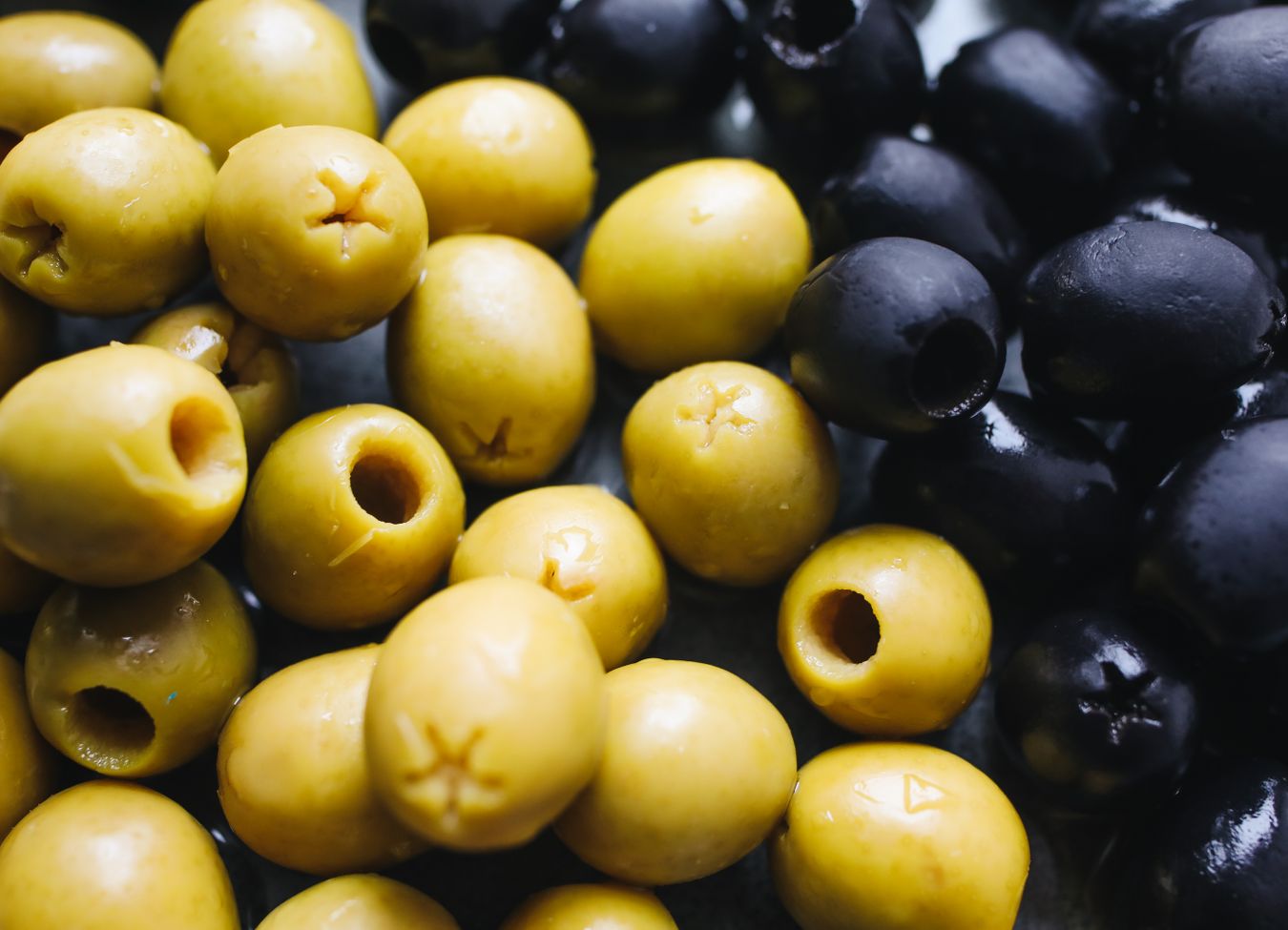
Beyond quality, the method of extraction significantly impacts the oil's characteristics. Traditional cold-pressing methods preserve the oil's flavor and health benefits, while modern extraction techniques may yield higher quantities but can compromise quality. Understanding these methods helps consumers make informed choices about the olive oil they incorporate into their culinary practices.
Culinary Applications and Pairings
Moroccan olive oil is not just a cooking oil; it is a versatile ingredient that enhances various dishes. Here are some advanced applications:
- Drizzle over tagines for added richness and flavor.
- Use as a finishing oil on grilled vegetables.
- Incorporate into marinades for meats and fish.
- Blend with spices and herbs for dipping oils.
To unlock the full flavor potential, consider using Moroccan olive oil raw in salads or as a dip.
The essence of Moroccan cuisine is captured in its olive oil—each drop tells a story of tradition and craftsmanship.— Culinary Expert
Embrace Authentic Moroccan Culinary Traditions
As we conclude our journey through the vibrant world of Moroccan olive oil, it's essential to recognize the profound impact this golden elixir has on both flavor and health. Authentic Moroccan cooking is a celebration of rich flavors, and olive oil serves as a foundational ingredient that enhances every dish. Its unique qualities not only elevate taste but also bring a wealth of health benefits, making it a staple in kitchens around the globe.
By incorporating Moroccan olive oil into your culinary repertoire, you're not just cooking; you're participating in a tradition that spans centuries. This remarkable oil, with its distinct aromas and diverse uses, invites you to explore new recipes and techniques that honor the heritage of Moroccan cuisine. Whether you're drizzling it over grilled vegetables, adding it to marinades, or using it as a base for savory tagines, the possibilities are endless.
We encourage you to dive deeper into this beautiful culinary tradition. Experiment with Moroccan olive oil in your home cooking, and experience first-hand the incredible flavors and health benefits it offers. Let this journey inspire you to share the joys of Moroccan cuisine with family and friends, creating memorable meals that celebrate the essence of Moroccan culture.