
Beyond the Tagine: Unveiling Moroccan Culinary Diversity
When one thinks of Moroccan cuisine, the iconic tagine often springs to mind. This earthenware pot, synonymous with slow-cooked stews, is indeed a staple of Moroccan cooking. However, to pigeonhole Moroccan cuisine solely to tagine would be to overlook a rich tapestry of flavors, ingredients, and cooking methods that define Morocco’s culinary landscape. The truth is that Moroccan cuisine is an intricate blend of Berber, Arab, Mediterranean, and sub-Saharan influences, resulting in a vibrant array of dishes that transcend the tagine's shadow.
Understanding this diversity matters because it opens up a world of culinary exploration. It invites food enthusiasts and home cooks alike to engage with a variety of flavors, from the fragrant spices in a traditional couscous to the sweet and savory combinations found in pastilla. Each dish tells a story, reflecting the region's culture and history, making Moroccan cuisine a gateway to experiencing Morocco itself.
Moroccan cuisine is a rich tapestry of flavors that goes far beyond the humble tagine.
Understanding the Diversity of Moroccan Cuisine
Moroccan cuisine is often mistakenly pigeonholed into the realm of tagines, yet this vibrant culinary tradition encompasses a rich tapestry of flavors, techniques, and regional variations. To truly appreciate Moroccan cooking, it is essential to explore its diverse elements that extend far beyond the iconic tagine pot.
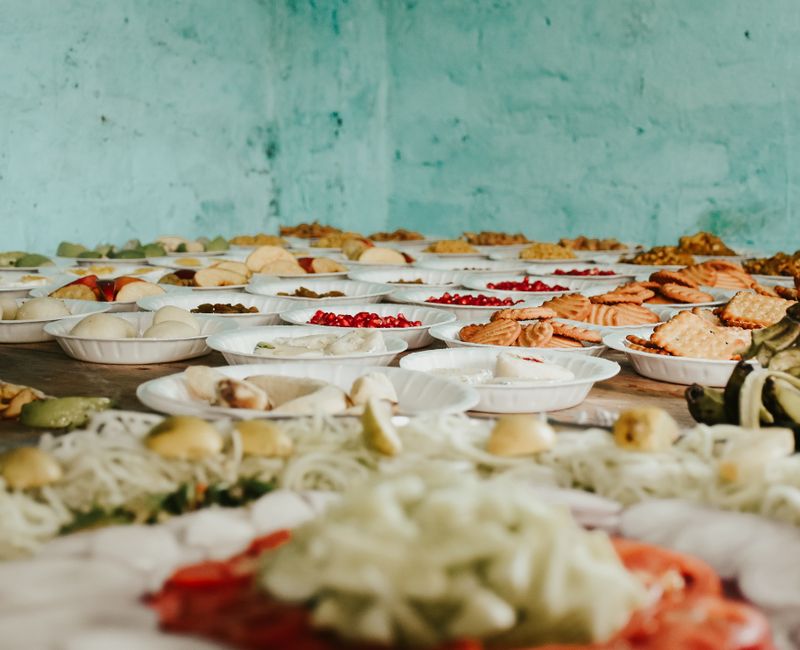
One foundational concept is the use of spices, which are at the heart of Moroccan dishes. The famous blend known as ras el hanout is a prime example, composed of a harmonious mix of over a dozen spices. This blend is not only used in tagines but also in couscous, grilled meats, and even pastries.
Regional Specialties
Moreover, Morocco's geographic and cultural diversity significantly influences its culinary practices. For instance, coastal cities like Essaouira are renowned for their seafood dishes, while the mountainous regions offer hearty stews and rustic bread. Each area contributes its unique ingredients and preparation methods, further enriching the Moroccan cuisine landscape.
- Couscous: A staple dish often served with vegetables and meat
- Pastilla: A sweet and savory pie featuring pigeon or chicken
- Harira: A traditional soup served during Ramadan
- Mechoui: Whole lamb roasted to perfection
These examples illustrate that Moroccan cuisine is a vast and intricate world waiting to be discovered, inviting food enthusiasts to explore beyond the tagine.
Beyond Tagine: Exploring the Diversity of Moroccan Cuisine
While tagine is undoubtedly a hallmark of Moroccan cooking, it represents just the tip of the culinary iceberg. Moroccan cuisine is a vibrant tapestry woven from a multitude of cultural influences, including Berber, Arab, Andalusian, and Mediterranean traditions. To appreciate the full scope of this cuisine, one must delve into its lesser-known dishes.
A Broader Culinary Palette
- Couscous: A staple served with vegetables and meats.
- Pastilla: A sweet and savory pie typically filled with pigeon or chicken.
- Harira: A rich soup often enjoyed during Ramadan.
- Mechoui: Whole roasted lamb, seasoned to perfection.
- Zaalouk: A flavorful eggplant salad, perfect as a side.
These dishes illustrate the culinary depth available in Moroccan kitchens. For instance, couscous is prepared in various regional styles, often served on Fridays as a family tradition. Pastilla, with its complex layering of flavors, showcases the Moroccan penchant for blending sweet and savory, while harira serves as a comforting dish during fasting periods.
Cultural Significance
Additionally, many Moroccan dishes hold cultural significance, reflecting the country’s history and traditions. For example, mechoui is often served during festive occasions, symbolizing hospitality and celebration. This diversity not only underscores the versatility of Moroccan cuisine but also invites exploration and appreciation of its rich heritage.
Moroccan cuisine is a vibrant tapestry woven from a multitude of cultural influences.— Bazooka Moroccan Kitchen
Avoiding Common Misconceptions in Moroccan Cuisine
While tagine is undoubtedly a symbol of Moroccan culinary art, limiting your understanding of Moroccan cuisine to just this dish is a common pitfall. There are various other traditional dishes and cooking methods that deserve attention. Here are some key considerations to ensure a comprehensive appreciation of Moroccan cooking.

1. Understanding Regional Diversity
Morocco's diverse geography leads to a variety of regional cuisines, each with its own specialties. For instance, the coastal regions favor seafood dishes, while the mountainous areas feature hearty, rustic meals. Not exploring these variations can lead to a skewed perception of Moroccan food.
2. Exploring Other Signature Dishes
- Couscous – Often considered the national dish, it comes in numerous variations.
- Pastilla – A savory pie that marries sweet and salty flavors, typically made with pigeon or chicken.
- Harira – A traditional soup served during Ramadan, rich in lentils and chickpeas.
3. Embracing Cooking Techniques
Many Moroccan dishes are prepared using techniques such as slow cooking and steaming, which can alter the flavors and textures of the ingredients. Ignoring these methods can lead to a misunderstanding of how authentic Moroccan flavors are achieved.
Do not let the allure of tagine overshadow the rich tapestry of Moroccan cuisine. Explore the breadth of flavors and dishes!
Embracing the Full Spectrum of Moroccan Cuisine
In conclusion, Moroccan cuisine is a vibrant tapestry of flavors, textures, and aromas that extends far beyond the iconic tagine. By exploring the diverse dishes, spices, and cooking techniques, you uncover a world rich in history and culture. Each meal tells a story, reflecting the unique traditions of different regions within Morocco, while also highlighting the influence of various cultures over centuries.
As you embark on your journey through this delectable cuisine, remember that each dish offers an opportunity to connect with Morocco's heritage. Whether it's the warmth of a spiced harira soup or the sweet indulgence of a pastilla, every recipe invites you to experience the heart of Moroccan hospitality.
Moroccan cuisine is a celebration of diversity and flavor.
We encourage you to explore the recipes and tips shared on Bazooka Moroccan Kitchen. Dive deeper into the world of Moroccan cooking and delight your palate with authentic flavors that go beyond tagine.