
Understanding the Essence of Moroccan Culture
To appreciate authentic Moroccan cooking, one must first delve into the rich tapestry of Moroccan culture. This North African nation, with its diverse influences from Berber, Arab, French, and Spanish heritages, offers a unique culinary experience that is intrinsically linked to its cultural practices and traditions.
Moroccan cuisine is not just food; it is a narrative that reflects the country's history, geography, and social dynamics. The use of spices such as saffron, cumin, and coriander is not merely for flavor but symbolizes the blend of cultures and traditions that have shaped Morocco over centuries. Each dish tells a story, from the communal atmosphere of a tagine shared among family and friends to the fragrant mint tea that signifies hospitality.
The Importance of Hospitality
In Moroccan culture, hospitality is paramount. Guests are treated with the utmost respect, often welcomed with a glass of mint tea and a selection of traditional pastries. This practice is not just a custom; it embodies the Moroccan spirit of generosity and warmth. Understanding this aspect of the culture enhances the cooking experience, as dishes are often prepared with the intent of sharing and celebrating togetherness.
To cook Moroccan food is to invite a piece of the culture into your home.— Bazooka Moroccan Kitchen
Engaging with Moroccan culture through its culinary practices allows for a deeper connection to the people and their traditions. By exploring the flavors, techniques, and stories behind each dish, you not only learn about cooking but also about the values and history that shape Moroccan identity.
Understanding the Essence of Moroccan Culture
Moroccan culture is a rich tapestry woven from diverse influences, including Berber, Arab, and French traditions. This fusion creates a unique cultural identity that is evident in the country's cuisine, architecture, music, and festivals. To fully appreciate Moroccan cooking, one must first grasp the significance of these cultural elements and their impact on culinary practices.

At the heart of Moroccan culture is a deep respect for family and community. Meals are not merely about nourishment; they are a vital means of fostering connections. Traditional gatherings often center around a communal dish, such as tagine or couscous, where family and friends share food and stories. This practice reflects the values of hospitality and generosity, which are hallmarks of Moroccan society.
The Role of Spices and Ingredients
Spices play a crucial role in Moroccan cuisine, embodying the country’s historical trade routes and agricultural practices. Ingredients such as saffron, cumin, and coriander are not only essential for flavor but also represent the cultural heritage of the land. Understanding these spices is fundamental to mastering Moroccan dishes, as they provide the authentic taste that defines the cuisine.
- Saffron: Adds a unique aroma and vibrant color.
- Cumin: Offers an earthy flavor, integral to many dishes.
- Cilantro: Freshness that brightens flavors.
Moreover, traditional cooking methods, such as slow-cooking in a tagine, reflect the importance of patience and care in Moroccan culinary practice. This method allows flavors to meld beautifully, resulting in dishes that are both complex and satisfying.
Practical Applications of Moroccan Culinary Traditions
Understanding the foundations of Moroccan culture and cuisine is essential not just for appreciation, but also for practical application in various settings. Moroccan cooking is not merely about following recipes; it is an immersive experience that engages all senses and invites social interaction.
Culinary Events and Gatherings
Hosting a Moroccan-themed dinner party can be a delightful way to introduce friends and family to this vibrant culture. Incorporating traditional dishes like tagine, couscous, and pastilla, as well as serving Moroccan mint tea, can create an authentic atmosphere. Additionally, using Moroccan decor, such as lanterns and colorful textiles, enhances the experience.
Cultural Exchange through Cooking Classes
Participating in or organizing cooking classes focused on Moroccan cuisine can foster cultural exchange. These classes not only teach participants how to prepare traditional dishes but also share the cultural significance behind each meal. Engaging with local chefs or Moroccan culinary experts can deepen participants' understanding and appreciation of the intricate flavors and techniques involved.
Mindful Cooking Practices
Moreover, the principles of Moroccan cooking can be applied to promote mindfulness and intentionality in the kitchen. Emphasizing the importance of fresh, local ingredients encourages sustainable cooking practices while honoring the land and its resources. This approach can transform everyday cooking into a mindful ritual.
Moroccan cooking is an immersive experience that engages all senses and invites social interaction.
Common Missteps in Understanding Moroccan Culture
Diving into Moroccan culture can be an enriching experience, but it's essential to navigate some common pitfalls that often lead to misconceptions. Understanding these can deepen your appreciation for the traditions and practices that define this vibrant culture.
Overgeneralization of Moroccan Cuisine
One prevalent mistake is overgeneralizing Moroccan cuisine, which is as diverse as its regions. Many assume that couscous and tagine are the only staples, overshadowing other regional specialties such as pastilla or harira. This simplification neglects unique variations influenced by local ingredients, traditions, and historical interactions.
Cultural Stereotypes
Another common error involves relying on stereotypes that often portray Moroccan culture through a narrow lens. This can lead to misunderstandings about the country's rich history, art, and social practices. For example, associating Moroccan culture solely with the desert or traditional dress overlooks its modern urban dynamics and diverse influences.
Be cautious of assuming that all Moroccans share the same beliefs or practices. The country is home to various ethnic groups and religious practices, contributing to a multifaceted cultural landscape.
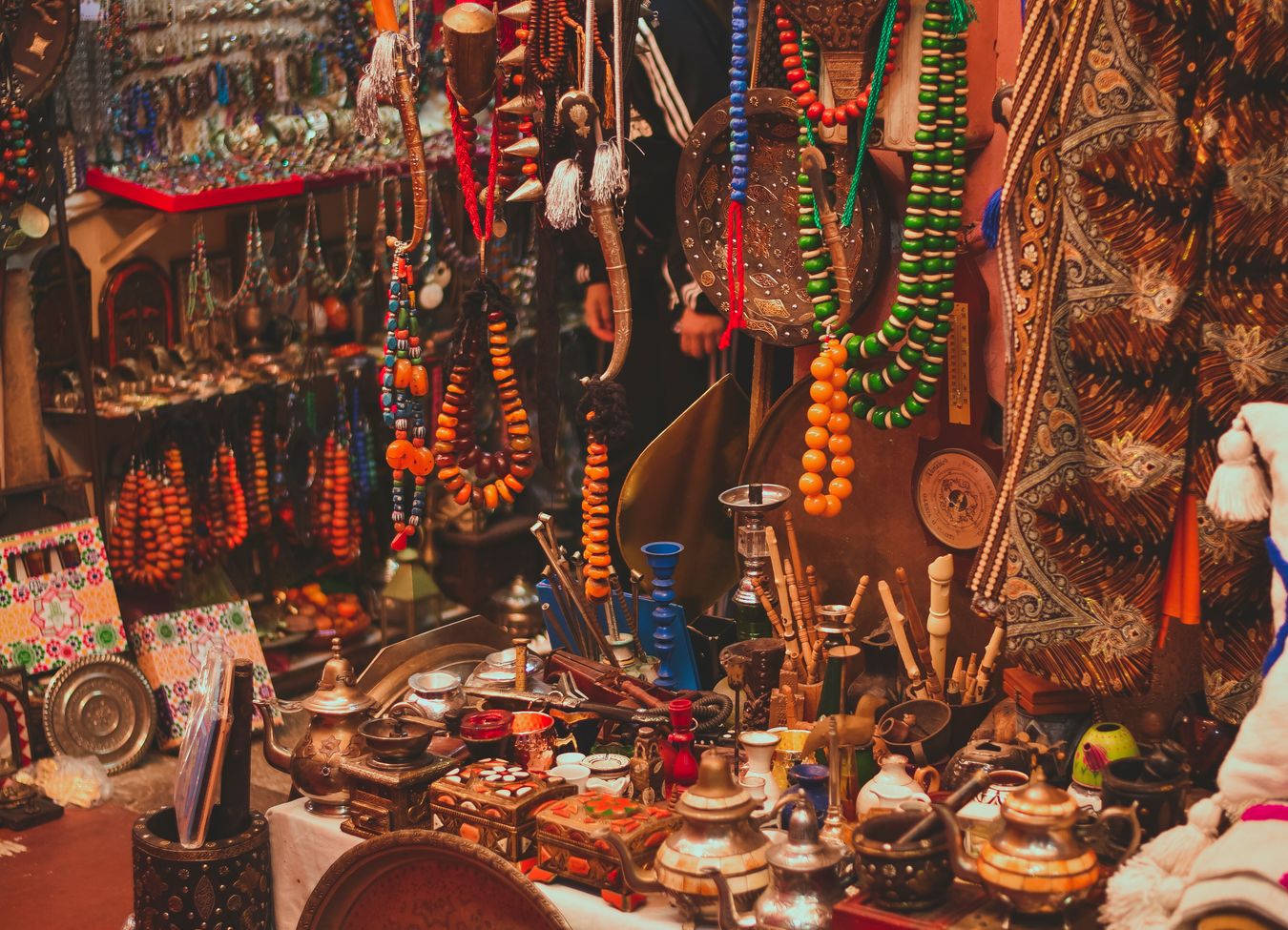
Finally, many newcomers may underestimate the significance of hospitality in Moroccan culture. It's not just a social nicety; it's a deeply ingrained tradition that reflects the values of respect and community. Failing to recognize this can lead to unintentional breaches of etiquette.
In summary, approaching Moroccan culture with an open mind and a willingness to learn can help avoid these common misconceptions and enrich your understanding of this fascinating tapestry.
Delving Deeper into Moroccan Culinary Traditions
Case Study: The Influence of Berber Cuisine
Moroccan cuisine is a tapestry woven from various cultural threads, with Berber influences standing out prominently. Take the case of a family in the Atlas Mountains who have preserved traditional cooking methods for generations. They prepare a signature dish called 'tagine,' named after the earthenware pot it's cooked in. This dish is not merely food; it embodies the essence of Berber hospitality, where sharing meals is a way to bond.
Scenario: The Role of Spices
Consider a bustling Marrakesh market, where vendors showcase vibrant spices. A culinary enthusiast visiting the market learns that spices like saffron, cumin, and cinnamon are essential in Moroccan cooking. These ingredients do not just add flavor; they carry cultural significance, often linked to medicinal properties and ancestral recipes passed down through generations. One visitor decides to purchase a blend of spices to recreate a traditional 'harira' soup, experiencing the rich history behind each ingredient.
Example: Festivals and Food
Moroccan festivals, such as the annual 'Marrakech Food Festival,' showcase the country’s culinary diversity. During this event, chefs from various regions come together to compete, presenting dishes that reflect their local traditions. This scenario illustrates how food serves as a medium for cultural exchange, allowing chefs to share their heritage and innovate while honoring traditional recipes.
Food is not just a meal in Morocco; it's a celebration of culture and community.— Culinary Expert
Understanding the cultural significance of Moroccan cuisine enhances the cooking experience, making it not just about ingredients, but a journey through history.
Delving Deeper into Moroccan Culinary Heritage
Understanding Moroccan culture goes beyond just mastering recipes; it involves appreciating the intricate relationships between food, tradition, and community. Each dish is a narrative, reflecting the diverse influences that shaped Morocco's history, from Berber, Arab, and Andalusian to French and Spanish.
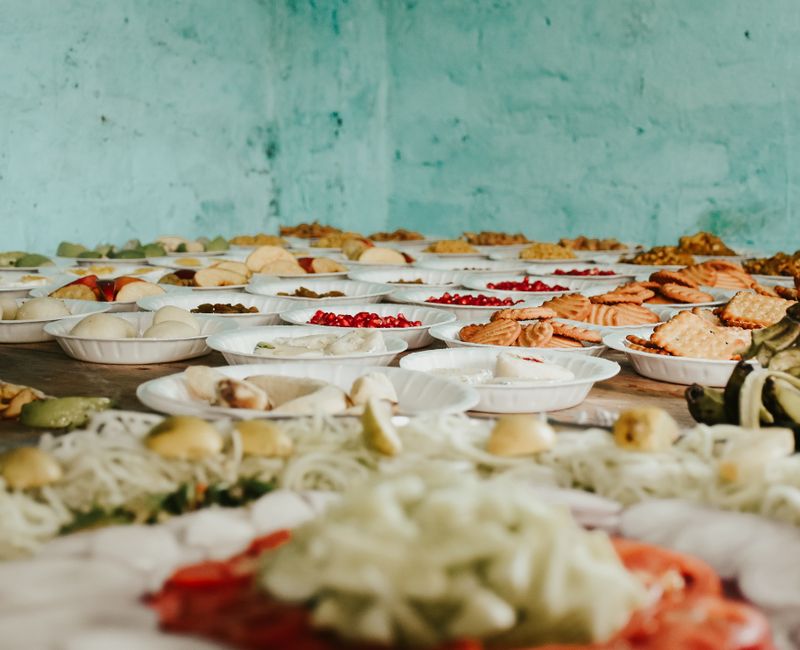
Cultural Significance of Ingredients
The ingredients used in Moroccan cooking are deeply symbolic, often tied to local customs and traditions. For instance, saffron represents wealth and prosperity, while the use of preserved lemons signifies patience and the passage of time due to their lengthy preparation. Understanding these nuances can elevate your cooking and create a more authentic experience.
The Role of Dining Etiquette
Dining in Morocco is an event steeped in ritual. It typically involves communal sharing, where dishes are served in large platters, and eating with one's hands is encouraged. This practice fosters a sense of unity and connection among diners, ensuring that food is not just sustenance but a medium for building relationships.
Understanding the cultural context of Moroccan food enhances your culinary experience and allows you to appreciate the stories behind each dish.
Exploring Regional Variations
Morocco boasts a rich tapestry of regional cuisines, each with its unique flavors and techniques. The coastal regions, for instance, feature an abundance of seafood, while the mountainous areas focus on hearty, rustic meals. By exploring these variations, you can gain a deeper understanding of how geography influences Moroccan culinary practices.
Embrace Moroccan Culture Today
As we conclude our exploration of Moroccan culture, it’s clear that the richness of this tradition offers a unique opportunity for culinary enthusiasts and culture seekers alike. Engaging with Moroccan cuisine is not just about preparing dishes—it's about immersing yourself in a vibrant mosaic of flavors, techniques, and stories that have been passed down through generations. By embracing these practices, you not only nourish your body but also connect with a culture that values hospitality, family, and community.
We invite you to take the next step in your culinary journey. Whether you aim to impress your guests with an authentic Moroccan feast or simply wish to expand your culinary repertoire, the resources available at Bazooka Moroccan Kitchen are designed to guide you every step of the way. From traditional recipes to cultural insights, we are committed to helping you experience the essence of Morocco in your own kitchen.
Discover the heart of Moroccan culture through cooking.
So, as you set forth on this gastronomic adventure, remember that each dish you create is a celebration of Moroccan heritage. Let the spices, aromas, and textures transport you to the bustling markets and serene landscapes of Morocco. Your journey into this rich culture begins now—don’t hesitate to embrace it fully.