
The Sweet Essence of Moroccan Chebakia
Chebakia, a traditional Moroccan pastry, is more than just a delightful treat. This intricate confection captures the spirit of Moroccan culture, intertwining flavors and textures that tell a story of family gatherings and festive celebrations. Each bite of Chebakia is a symphony of honey, sesame, and aromatic spices, evoking the warmth and hospitality that Morocco is known for.
Understanding Chebakia is vital for anyone looking to explore Moroccan cuisine. It is particularly cherished during Ramadan, symbolizing the breaking of the fast with its rich sweetness. The delicate craftsmanship involved in shaping and frying these pastries reflects the deep-rooted traditions of Moroccan culinary art. This dish is not merely food; it serves as a cultural ambassador, inviting people to engage with the history and heritage of Morocco.
Chebakia embodies the soul of Moroccan hospitality, blending tradition with taste.— Bazooka Moroccan Kitchen
As we delve into the world of Chebakia, it becomes clear that mastering this recipe opens a gateway to understanding the broader tapestry of Moroccan cuisine. It’s an invitation to embrace the flavors, rituals, and stories that this vibrant culture has to offer. Whether you are a seasoned chef or a curious home cook, the journey into the heart of Chebakia is one that enriches your culinary repertoire and deepens your appreciation for Moroccan traditions.
Understanding Chebakia: The Essence of Moroccan Pastry
Chebakia is not just a sweet treat; it is a cultural emblem of Moroccan cuisine. This traditional pastry, often prepared during Ramadan, encapsulates the rich flavors and intricate techniques that define Moroccan gastronomy. Comprising a blend of flour, sesame seeds, and spices, Chebakia embodies the harmony of textures and tastes, making it a quintessential representation of Moroccan culinary art.
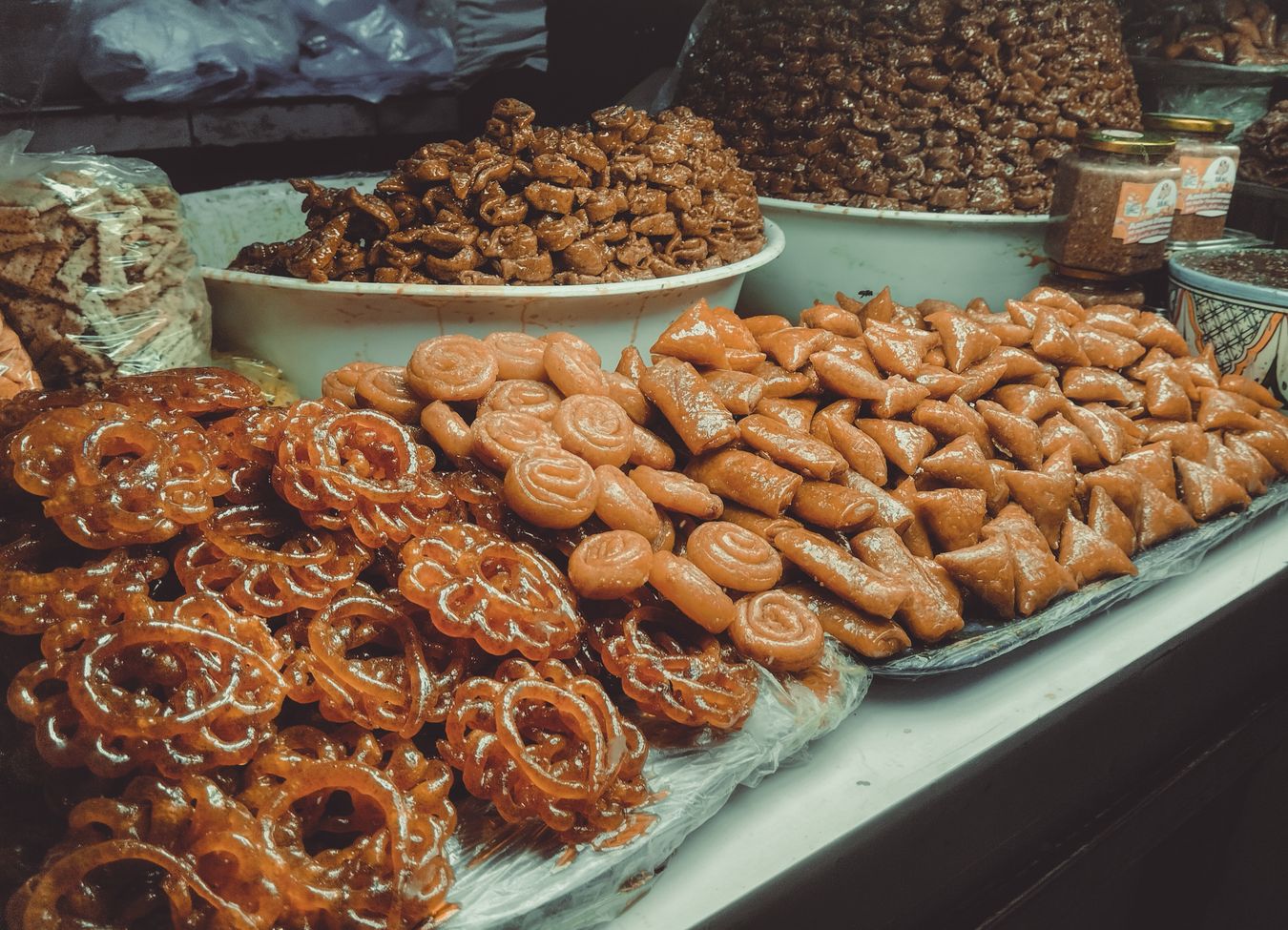
The preparation of Chebakia requires a keen understanding of its components, starting with the dough. The dough is infused with fragrant ingredients such as orange blossom water and anise, contributing to its distinctive aroma. Once rolled out and shaped into intricate designs, the Chebakia is deep-fried until golden and then coated in a syrup made from honey and rosewater, adding a delightful sweetness that balances the spice.
Key Ingredients and Their Significance
- Flour - the base for the dough
- Sesame seeds - adding texture and nutty flavor
- Honey - for sweetness and glaze
- Orange blossom water - providing aromatic notes
- Anise and cinnamon - for warm, spicy undertones
Understanding these ingredients is crucial for mastering Chebakia. Each component plays a role not only in flavor but also in the cultural significance of the dish. The careful balance of spices and sweetness reflects the broader Moroccan philosophy of cooking, where the harmony of flavors is paramount.
Chebakia is more than a dessert; it's a celebration of Moroccan culture and tradition.
Practical Applications of Chebakia in Moroccan Cuisine
Chebakia, the traditional Moroccan pastry, serves as more than just a delightful treat; it embodies cultural significance and practical applications in Moroccan cuisine. Understanding how to effectively incorporate Chebakia into various occasions can elevate your culinary experiences and deepen your appreciation of Moroccan food culture.
Celebratory Uses
Typically prepared during Ramadan, Chebakia is a staple for breaking fast. Its sweet, nutty flavor and syrupy glaze provide a nourishing boost after a long day of fasting. This makes it an essential addition to Iftar tables, often accompanied by mint tea and other traditional delicacies.
Everyday Enjoyment
Beyond festive occasions, Chebakia can be enjoyed throughout the year as a delicious snack or dessert. It pairs wonderfully with coffee or tea, offering a taste of Morocco in every bite. Additionally, its unique texture makes it an ideal component in gourmet dessert platters, inspiring creativity and variety.
Culinary Adaptations
Chebakia can also be adapted into contemporary dishes. For instance, you can crumble it over yogurt or ice cream, combining traditional flavors with modern dessert presentations. This versatility showcases its potential beyond conventional boundaries, allowing chefs and home cooks alike to experiment and innovate.
Chebakia is not just a pastry; it’s a celebration of Moroccan culture and creativity in the kitchen.— Bazooka Moroccan Kitchen
Common Missteps in Crafting Chebakia
Chebakia, the beloved Moroccan pastry, is often misinterpreted in its preparation. Many home cooks approach this intricate sweet with a sense of apprehension, leading to several common pitfalls that can undermine the final product.
Overlooking Ingredient Quality
One critical error is neglecting the quality of ingredients. Chebakia requires specific components such as high-quality sesame seeds, flour, and pure honey. Using subpar ingredients can result in a less flavorful and texturally inferior pastry.
Improper Dough Handling
Another frequent mistake is incorrect dough preparation. Chebakia dough should be kneaded thoroughly to achieve the desired elasticity. Under-kneading can yield a crumbly texture, while over-kneading might make it tough.

Frying Temperatures
Frying at inconsistent temperatures is also a common error. If the oil is too hot, the outside may brown too quickly while leaving the inside undercooked. Conversely, oil that is too cool will result in greasy pastries that fail to achieve that perfect crunch.
Neglecting Traditional Techniques
Lastly, many overlook traditional shaping techniques. Chebakia is characterized by its intricate design, which not only adds to its visual appeal but also influences its texture. Skipping this step can diminish the authenticity of the dish.
The art of making Chebakia lies in attention to detail and respect for tradition.
Diving Deeper into Chebakia: Techniques and Traditions
Crafting Chebakia: A Step-by-Step Approach
To truly master the art of making Chebakia, one must appreciate the meticulous techniques that transform simple ingredients into this beloved Moroccan delicacy. For instance, the dough is typically prepared by combining flour, sesame seeds, and spices like cinnamon and anise. After kneading, the dough is allowed to rest, allowing gluten to develop, which is crucial for achieving the right texture.
Once the dough is rolled out, it is cut into strips and shaped into intricate flower-like designs, often referred to as 's-shaped' or 'twisted'. This shaping not only enhances the presentation but also allows for better absorption of the honey syrup in the final step.
Cultural Significance: Chebakia During Ramadan
Chebakia is traditionally enjoyed during Ramadan, symbolizing both hospitality and celebration. In many Moroccan households, the preparation of Chebakia becomes a communal activity where family members come together to create large batches. For instance, a family in Marrakech might set aside an entire afternoon to prepare and fry their Chebakia, enveloping the kitchen in the warm aroma of honey and sesame.
Moreover, during Eid al-Fitr, it is customary to gift Chebakia to neighbors and friends, reinforcing bonds and sharing the joy of the holiday. This practice highlights the role of food in fostering community ties, making Chebakia not just a treat, but a symbol of connection and generosity.
Chebakia is not just a dessert; it's a tradition that weaves families and communities together.— Amina, Moroccan Chef
Elevating Your Chebakia Craft
Crafting Chebakia, the traditional Moroccan sesame and honey pastry, involves not only following a recipe but also mastering the intricate techniques that elevate this delicacy to an art form. Understanding the science behind each ingredient and method is essential for achieving the perfect texture and flavor.

Ingredient Quality Matters
The quality of ingredients plays a crucial role in the final outcome of your Chebakia. Opt for high-quality sesame seeds, fresh spices, and pure honey. Here are some advanced tips:
- Use roasted sesame seeds for a deeper flavor.
- Incorporate orange blossom water to enhance aroma.
- Select a light, floral honey to avoid overpowering the dish.
Mastering the Technique
The technique in forming Chebakia is pivotal. Traditional methods involve intricate folding and braiding, which not only affects the pastry's appearance but also its ability to absorb honey. Here are key considerations:
- Start with a well-kneaded dough for elasticity.
- Roll the dough thinly to achieve a crispy texture.
- Practice the braiding technique to create uniform shapes.
Experiment with different frying temperatures to find the perfect balance between a golden exterior and a soft interior.
By focusing on these advanced considerations, you can refine your Chebakia-making skills, ensuring that your pastries are not only delicious but also a reflection of the rich Moroccan culinary heritage.
Embrace the Delight of Chebakia
As we conclude our culinary exploration of Moroccan Chebakia, it's essential to appreciate how this traditional sweet encapsulates the essence of Moroccan culture. Chebakia is not merely a dessert; it represents the heart of Moroccan hospitality and the joy of sharing. Its intricate preparation, from kneading the dough to the delicate shaping and frying, is a labor of love that brings families together, especially during the holy month of Ramadan.
The unique blend of spices, honey, and sesame seeds in Chebakia not only tantalizes the taste buds but also serves as a reminder of Morocco’s rich history and its diverse influences. Each bite transports you to the bustling markets of Marrakech, where the aromas of sweet pastries fill the air. By mastering this recipe, you are not only creating a delicious treat but also preserving a vital piece of Moroccan heritage.
Now is the time to take the plunge into Moroccan cooking and experience the joy of making Chebakia at home. Share it with loved ones during festive occasions or simply enjoy it as a delightful snack. Remember, the journey of culinary exploration is as rewarding as the final dish. Let Chebakia inspire you to delve deeper into Moroccan gastronomy and embrace the flavors that tell a story.